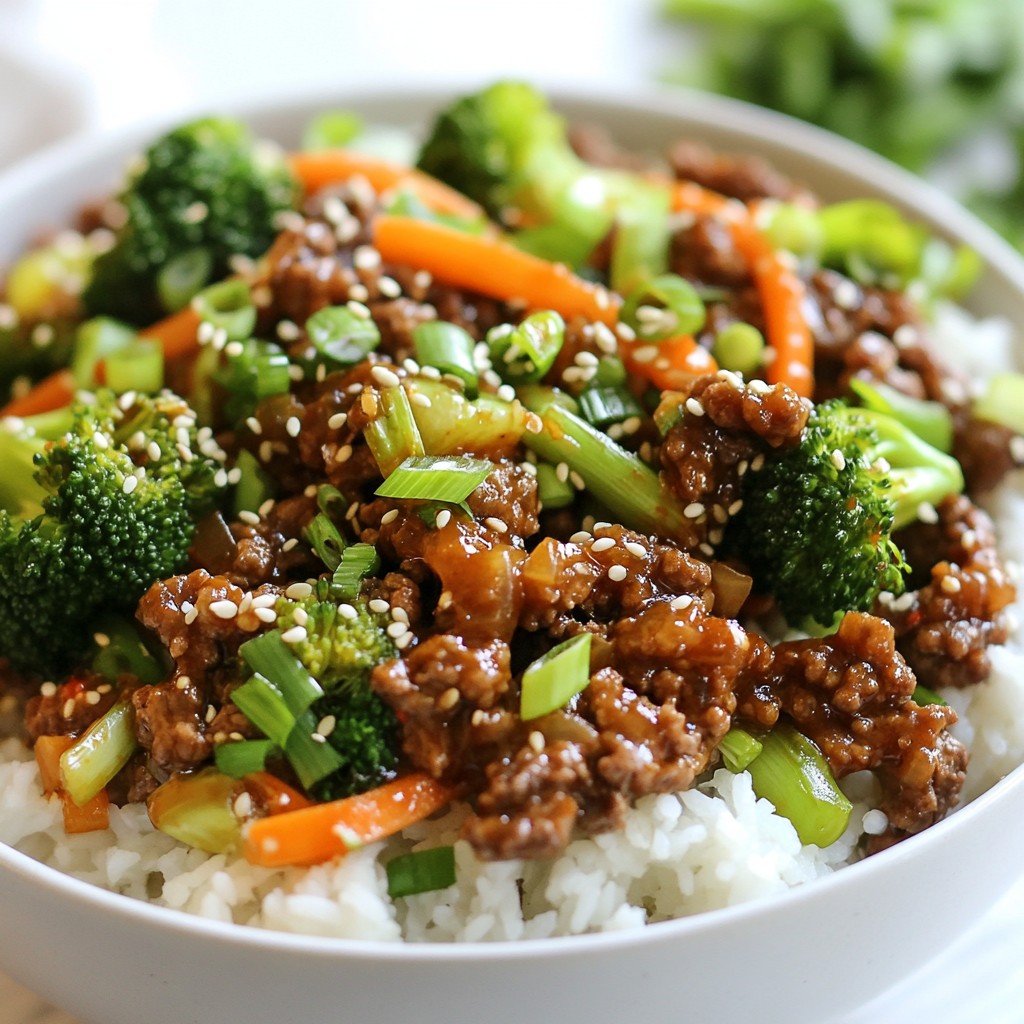
Are you craving a dish that’s both spicy and easy to make? Look no further than these Spicy Korean Beef Bowls! With simple ingredients like gochujang and fresh vegetables, this recipe packs a flavor punch. You'll learn to cook tender beef and create a vibrant meal that's perfect for any night. Let's dive into this delicious adventure and elevate your dinner game in no time!
Why I Love This Recipe
- Bold Flavors: This recipe combines the umami of soy sauce, the heat of gochujang, and the aromatic notes of garlic and ginger, creating a deliciously complex flavor profile.
- Quick and Easy:
- Customizable: You can easily swap out the vegetables or protein to suit your taste, making it a versatile option for any palate.
- Healthy and Wholesome: Packed with vegetables and lean protein, this dish is not only delicious but also nutritious, ensuring you feel good after eating.
Ingredients
Main Ingredients
- 1 lb ground beef (or thinly sliced beef)
- 3 tablespoons soy sauce
- 2 tablespoons gochujang (Korean chili paste)
- 1 cup broccoli florets
- 1 carrot, julienned
- 1 cup cooked rice (white or brown)
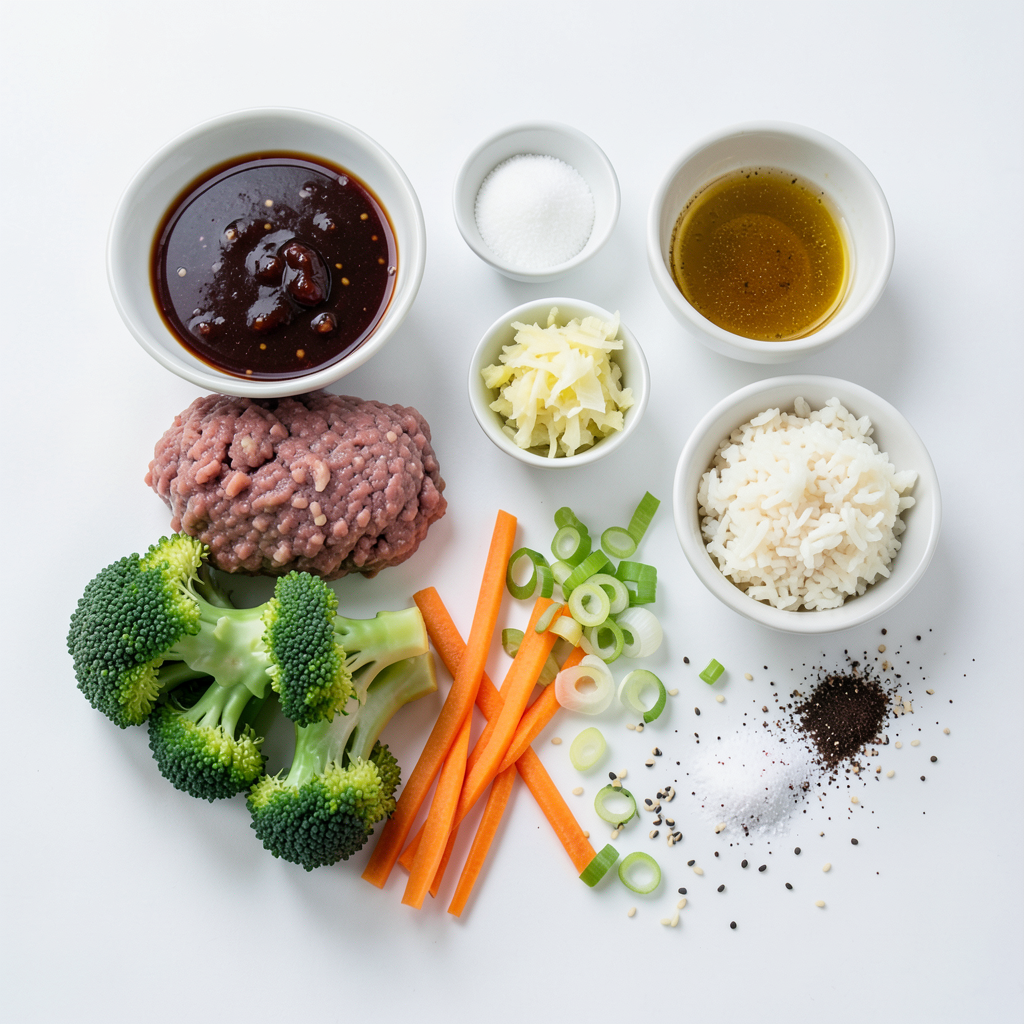
The main ingredients create the heart of this dish. Ground beef gives you a rich flavor. If you want a lighter option, use thinly sliced beef. Gochujang adds heat and depth. Soy sauce brings umami and saltiness. Fresh vegetables add color and crunch.
Additional Seasonings
- 1 tablespoon sesame oil
- 2 teaspoons sugar
- 1 teaspoon minced garlic
- 1 teaspoon grated ginger
The additional seasonings elevate your dish. Sesame oil gives a nutty taste. Sugar balances the heat from gochujang. Garlic and ginger add a fragrant kick. These flavors blend well with the beef and sauce.
Garnishing Components
- 2 green onions, sliced
- 1 tablespoon sesame seeds
- Salt and pepper to taste
Garnishing components make your dish pop. Green onions add freshness and color. Sesame seeds bring a nice crunch. A pinch of salt and pepper rounds out the flavors. These small touches make a big difference in presentation.
Step-by-Step Instructions
Preparing the Beef
First, grab a large skillet and heat three tablespoons of sesame oil over medium heat. The oil adds a nutty taste and aroma. Next, add one teaspoon of minced garlic and one teaspoon of grated ginger. Sauté these aromatic ingredients for about 30 seconds. You want them to smell amazing!
Now, it’s time to add the beef. Use one pound of ground beef or thinly sliced beef. Cook it until it turns brown. If you're using ground beef, break it apart as it cooks. If there's extra fat, drain it out. This keeps your dish light and tasty.
Adding Flavor
Once the beef is browned, it's flavor time! Stir in three tablespoons of soy sauce, two tablespoons of gochujang, and one teaspoon of sugar. The gochujang adds heat and a unique taste. Mix everything well, ensuring the beef is coated in the sauce. Let this simmer for about five minutes. This step helps the flavors meld together perfectly.
Cooking the Vegetables
While the beef is simmering, let’s work on the veggies. Blanch one cup of broccoli florets in a pot of boiling water for two minutes. After that, quickly transfer them to a bowl of ice water. This stops the cooking and keeps the color bright. Drain the broccoli and set it aside.
Next, take one carrot and julienne it into thin strips. This adds crunch and color to your bowl. You're now ready to assemble your spicy Korean beef bowls!
Tips & Tricks
Achieving the Right Level of Spiciness
To get the heat just right, start with gochujang. This Korean chili paste gives flavor and warmth. If you want more spice, add a bit more gochujang. Start with a half tablespoon and mix it in. Taste as you go.
You can also add chili flakes for an extra kick. Just sprinkle a little on top of your beef while it cooks. This adds heat and a nice crunch.
Cooking Techniques
When sautéing beef, use medium heat. This helps brown the meat evenly. If you use ground beef, break it apart as it cooks. This way, it cooks through well. If you use sliced beef, give it a few minutes on each side until it’s brown.
Be careful with the vegetables. Blanch broccoli quickly to keep it bright and crunchy. Cook it for just two minutes in boiling water. Then, place it in ice water. This stops the cooking and keeps the color vibrant.
Serving Suggestions
Make your bowls pop with color. Start by layering cooked rice in the bottom. Then, add the spicy beef mix. Top it with bright broccoli and julienned carrots. For extra flair, sprinkle sliced green onions and sesame seeds on top.
Pair these bowls with a cold drink. Try a light beer or a sweet iced tea. This adds a refreshing touch to your meal.
Pro Tips
- Use Fresh Ingredients: Fresh garlic and ginger will enhance the flavor of your beef bowl, providing a vibrant and aromatic profile.
- Adjust Spice Levels: If you prefer a milder dish, reduce the amount of gochujang, or add more sugar to balance the heat.
- Perfectly Blanch Vegetables: Blanch the broccoli just until tender and then shock in ice water to maintain a bright green color and crisp texture.
- Customize Your Toppings: Feel free to add other toppings like sliced radishes, cucumber, or a fried egg for extra flavor and nutrition.
Variations
Ingredient Substitutions
You can change the beef in this recipe. Try using chicken or tofu instead. Both options soak up flavor well. For chicken, use thinly sliced breast or thigh. For tofu, press it first to remove extra moisture. Then, cube it before cooking.
You can also swap vegetables. Instead of broccoli, use bell peppers or snap peas. You could even add baby corn or zucchini for a fun twist. This keeps the dish fresh and exciting.
Flavor Adjustments
Want less spice? Just reduce the gochujang. Start with one tablespoon and taste as you go. If you want a milder flavor, add more sugar. This balances the heat nicely.
If you like extra heat, consider adding chili flakes or a spicy sauce. You can also toss in some sliced jalapeños. These changes can make your dish really pop!
Dietary Modifications
For gluten-free options, choose gluten-free soy sauce. This keeps the flavors while making it safe for gluten-free diets.
If you want a low-carb meal, skip the rice. Instead, serve the beef over cauliflower rice or leafy greens. This gives you a tasty dish without the extra carbs.
Storage Info
Refrigeration Guidelines
To store your spicy Korean beef bowls, let them cool first. Place leftovers in an airtight container. This keeps them fresh. You can store them in the fridge for up to three days. Remember to label the container with the date. When you are ready to eat, just reheat the meal in the microwave or on the stovetop.
Freezing Recommendations
If you want to keep the dish longer, freezing is a great option. Use a freezer-safe container or bag. Be sure to remove as much air as possible. You can freeze the beef bowls for up to three months. When you want to enjoy a bowl, thaw it overnight in the fridge. Reheat it gently on low heat. This helps keep the flavors and texture nice.
Meal Prep Tips
To make meal prep easy, cook a big batch of beef bowls. Portion them into single servings. Use clear containers for easy viewing. You can mix and match veggies based on what you like. This way, you have quick meals ready for busy days. Enjoy the flavors you love without the hassle!
FAQs
What is gochujang?
Gochujang is a Korean chili paste made from fermented soybeans, red chili powder, and salt. It adds a sweet and spicy flavor to dishes. In this recipe, gochujang is key. It gives the beef its heat and depth of flavor. Without it, the dish would lack that signature Korean taste.
Can I use different meats in this recipe?
Yes, you can use different meats. Ground turkey or chicken works well, too. If you choose thinly sliced beef, cook it just until browned. For turkey or chicken, aim for about 5-7 minutes. Adjust cooking times based on what you choose, but always check that meat is fully cooked.
How can I make this recipe vegetarian?
To make this dish vegetarian, swap beef for tofu or tempeh. Use about 1 pound of firm tofu, pressed and cubed. Cook it until golden brown. You can also use mushrooms for a meat-like texture. Adjust the cooking time based on your choice, but ensure everything is heated through.
You learned about key ingredients, steps, and tips for a flavorful dish. Using ground beef or sliced beef, along with gochujang and soy sauce, creates a tasty base. Don't forget your veggies and seasonings to enhance the flavor. Try out variations and meal prep suggestions to suit your needs.
Embrace the flexibility of this recipe. With your choices, you can make it uniquely yours. Enjoy creating and sharing this delicious dish with friends and family.