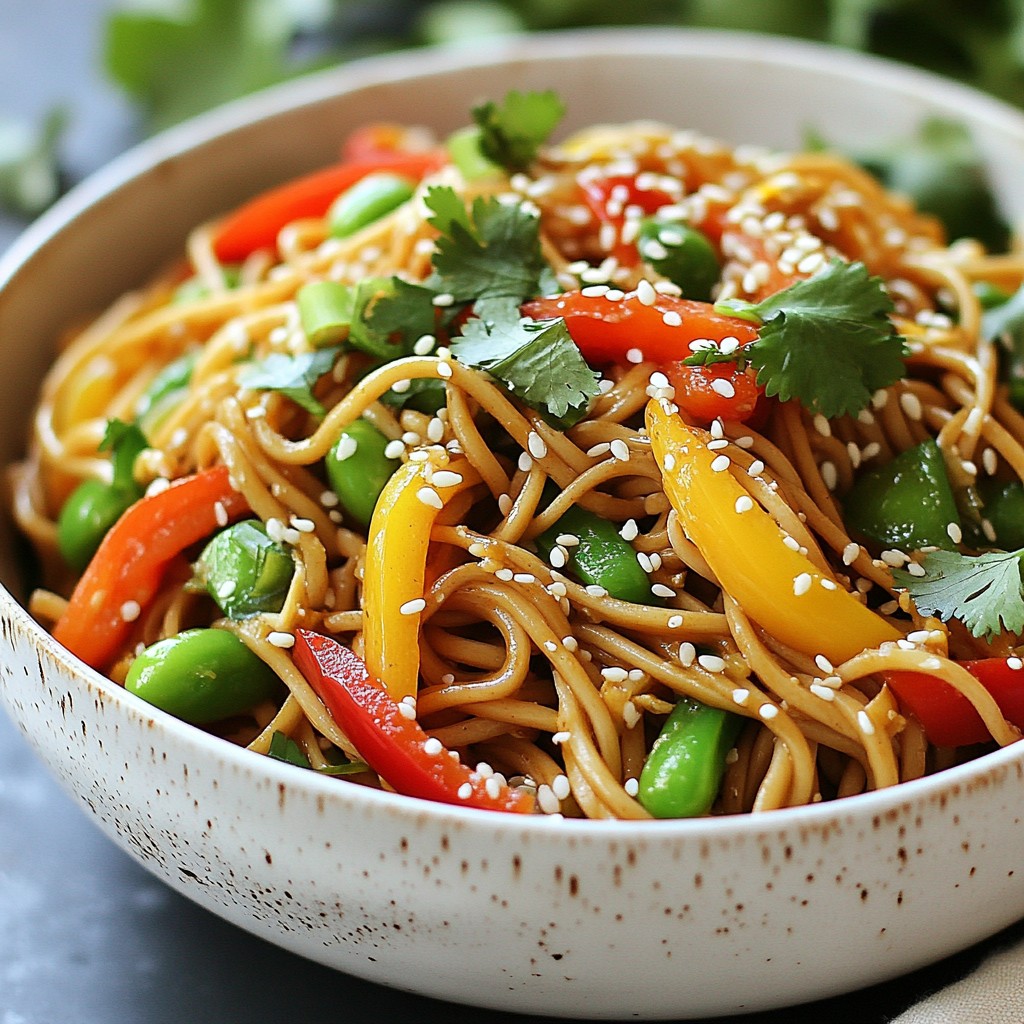
Looking for a quick and tasty dinner? This Sesame Ginger Noodle Stir Fry will be your go-to! It's packed with flavor and comes together in no time. With simple ingredients and easy steps, you'll have dinner on the table before you know it. Plus, I’ll share tips, variations, and storage ideas to make it truly versatile. Let’s dive into this delicious weeknight meal that everyone will love!
Why I Love This Recipe
- Quick and Easy: This recipe takes only 20 minutes from start to finish, making it perfect for a weeknight dinner.
- Healthy Ingredients: Packed with fresh vegetables and whole grains, this dish is both nutritious and delicious.
- Flavorful Sauce: The combination of soy sauce, ginger, and sesame oil creates a rich, savory flavor that elevates the noodles.
- Customizable: You can easily swap in your favorite vegetables or proteins to suit your taste or dietary needs.
Ingredients
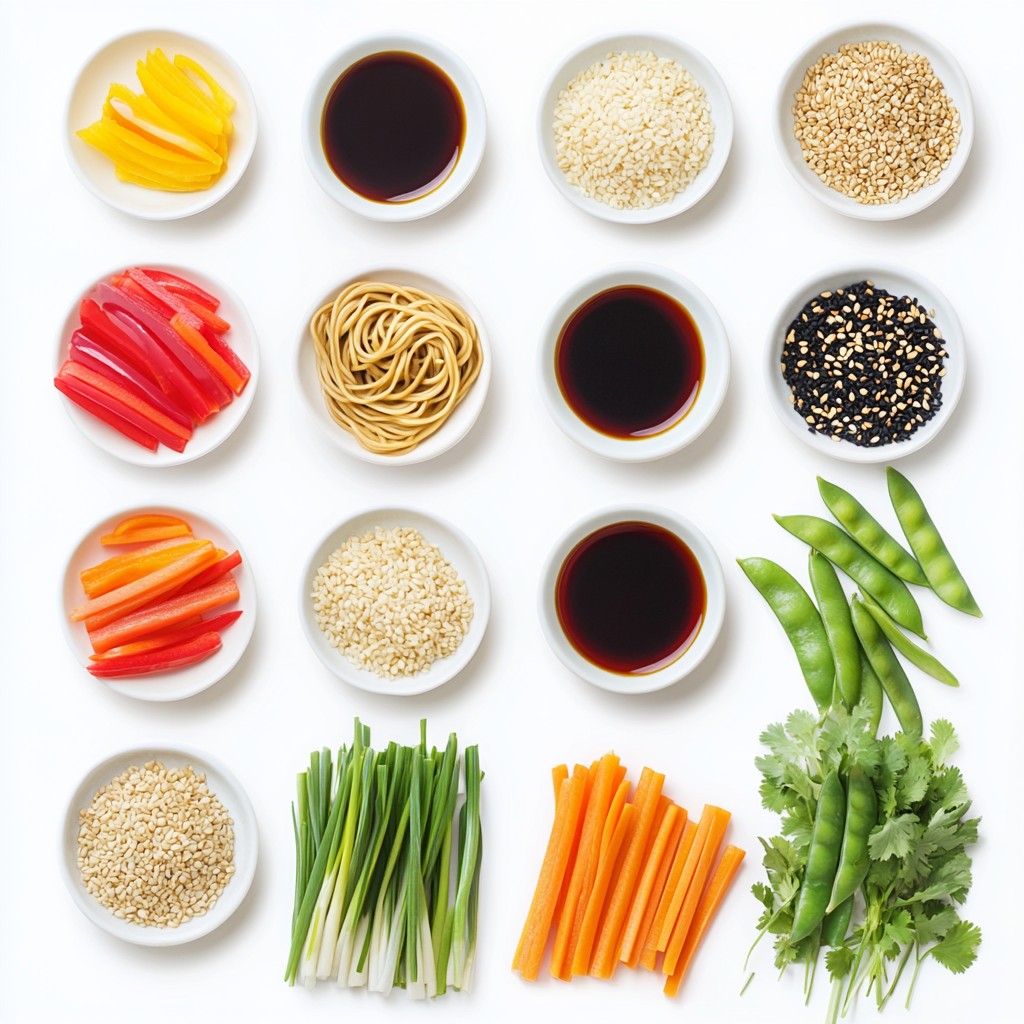
List of Ingredients
- 8 oz soba noodles (or any preferred noodles)
- 2 tablespoons sesame oil
- 1 tablespoon fresh ginger, minced
- 2 cloves garlic, minced
- 1 bell pepper, thinly sliced (red or yellow)
- 1 cup snap peas, trimmed
- 1 medium carrot, julienned
- 2 green onions, sliced
- 3 tablespoons soy sauce
- 1 tablespoon rice vinegar
- 1 tablespoon honey or maple syrup
- 2 teaspoons sesame seeds
- Fresh cilantro, for garnish
Alternative Noodle Options
You can swap out soba noodles for other types. Rice noodles work well too. Udon noodles add a thick, chewy texture. If you want a low-carb option, try zucchini noodles. They add freshness and taste great in stir fry.
Ingredient Substitutions
If you run out of an ingredient, don’t worry! Use vegetable oil instead of sesame oil for a milder flavor. Use ground ginger if fresh ginger is not available. For the bell pepper, any color works, even frozen ones. If you don't have soy sauce, tamari or coconut aminos are good swaps. For sweetness, agave syrup can replace honey. This recipe is flexible, letting you create your perfect dish!
Step-by-Step Instructions
Cooking the Noodles
Start by boiling a pot of salted water. Add 8 oz of soba noodles or your favorite noodles. Cook them according to the package rules, which is usually about 4-6 minutes. Once they are done, drain and rinse them under cold water. This stops the cooking and keeps them firm. Set the noodles aside for later.
Preparing the Sauce
Next, grab a small bowl. In it, mix 3 tablespoons of soy sauce, 1 tablespoon of rice vinegar, and 1 tablespoon of honey or maple syrup. Add 2 teaspoons of sesame seeds. Whisk this well until everything blends together. Set the sauce aside; you’ll need it soon.
Sautéing the Aromatics
Get a large skillet or wok and heat 2 tablespoons of sesame oil over medium heat. Add 1 tablespoon of minced fresh ginger and 2 minced garlic cloves. Sauté this mix for about 30 seconds. You want it to smell nice but not burn. This step adds a kick of flavor to your stir fry.
Adding Vegetables
Now, increase the heat to high. Toss in 1 thinly sliced bell pepper (red or yellow), 1 cup of trimmed snap peas, and 1 medium julienned carrot. Stir-fry these for about 3-4 minutes. You want the veggies to stay crisp but be tender enough to eat.
Combining Noodles and Sauce
It’s time for the noodles! Add the cooked noodles to your skillet along with the sauce you prepared. Toss everything together for another 2-3 minutes. Make sure the noodles and veggies mix well and heat through.
Final Touches and Serving
Once everything is heated, take the skillet off the heat. Stir in some sliced green onions for a fresh crunch. Garnish with fresh cilantro for a nice touch. Serve your warm sesame ginger noodle stir fry and enjoy the delightful flavors!
Tips & Tricks
Best Practices for Stir Fry
To make the best stir fry, I suggest using a hot pan. This keeps the veggies crisp. Cut all your ingredients before cooking. This helps the cooking go fast. Stir constantly to avoid burning. A wok works great, but any large skillet is fine.
Flavor Enhancements
For a richer taste, add a splash of soy sauce at the end. This adds depth to your dish. You can also use fresh herbs like cilantro for brightness. A squeeze of lime juice brings a nice zing. If you like heat, add some crushed red pepper flakes.
Time-Saving Tips
Cook your noodles while prepping other ingredients. This saves time and keeps everything fresh. Use pre-cut vegetables if you're short on time. You can also make the sauce ahead of time. Store it in the fridge for up to a week.
Pro Tips
- Use Fresh Ingredients: Always opt for fresh vegetables and herbs to enhance the flavor and nutritional value of your stir fry.
- Adjust the Sauce: Feel free to tweak the soy sauce and honey/maple syrup ratio according to your taste preference for sweetness and saltiness.
- Perfectly Cooked Noodles: Ensure you do not overcook the noodles; they should be al dente for the best texture in your stir fry.
- Garnish for Flavor: Adding fresh cilantro and green onions as a garnish not only enhances the presentation but also adds a burst of fresh flavor.
Variations
Protein Additions (Tofu, Chicken, Shrimp)
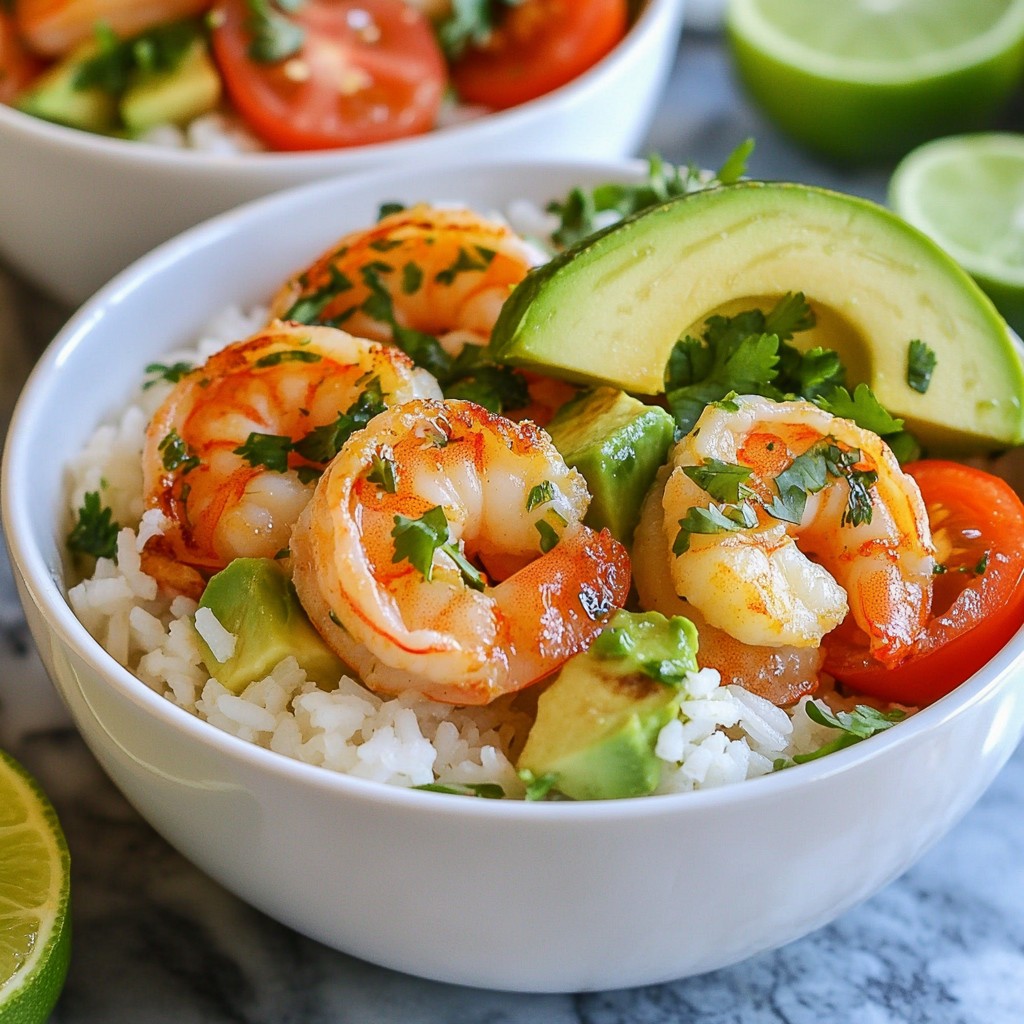
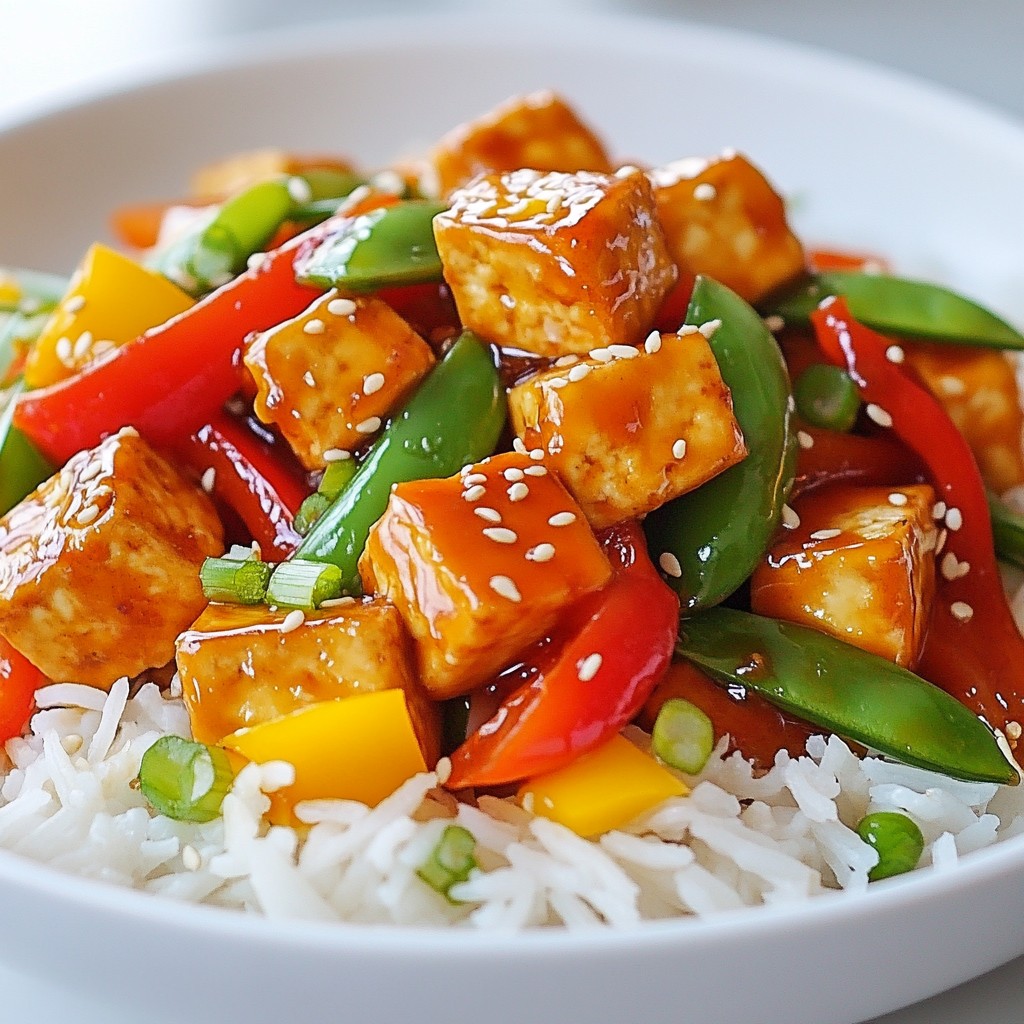
You can easily add protein to your sesame ginger noodle stir fry. Tofu works great for a vegetarian option. Just cut firm tofu into cubes. Sauté it in sesame oil until golden. For a meaty choice, chicken is a favorite. Slice it thinly and stir-fry it until fully cooked. Shrimp adds a nice touch too. Add it to the skillet when the vegetables are nearly done. Cook until they turn pink. This gives you tasty, filling options.
Vegetarian and Vegan Options
If you want a vegetarian dish, simply skip the meat and add more veggies. You can use mushrooms, zucchini, or bell peppers for more color and flavor. For a vegan option, make sure to use maple syrup instead of honey. This keeps the dish sweet and plant-based. You can also add more greens like spinach or bok choy. They will cook down nicely and add nutrition.
Spicy Adaptations
If you like heat, spice up your stir fry! You can add red pepper flakes or sriracha to the sauce. A splash of chili oil while cooking adds a great kick. If you want a different spice, try fresh sliced jalapeños. Just toss them in with the other veggies. This will give your dish a fiery twist that is sure to please. Adjust the spice to your liking for the perfect heat level.
Storage Info
How to Store Leftovers
To store leftovers, let the dish cool first. Place the noodles in an airtight container. You can keep them in the fridge for up to three days. Make sure to separate the sauce if you have any left. This keeps the noodles from getting too soggy.
Reheating Instructions
When you’re ready to eat, reheat the noodles. You can use a skillet or microwave. If using a skillet, add a splash of water or oil. Heat over medium until warm, stirring often. If using a microwave, cover the bowl and heat in short bursts. Stir between each burst to avoid hot spots.
Freezing Tips
To freeze, first cool the dish completely. Place the noodles in a freezer-safe bag or container. Remove as much air as possible. Label the bag with the date. You can freeze the noodles for up to a month. When ready to eat, thaw overnight in the fridge and reheat as above.
FAQs
How long do I cook soba noodles?
You cook soba noodles for about 4 to 6 minutes. Check the package for exact times. After cooking, drain the noodles and rinse them under cold water. This stops the cooking process. It keeps them from getting mushy.
Can I make this dish gluten-free?
Yes, you can make this dish gluten-free! Just swap soba noodles for rice noodles or gluten-free pasta. Make sure to use gluten-free soy sauce. This way, you can enjoy the flavors without gluten.
What can I replace honey with in this recipe?
You can replace honey with maple syrup for a vegan option. Agave nectar works too. Both options give a sweet touch. Use the same amount as honey in the recipe.
Is it possible to add more vegetables?
Absolutely! You can add more veggies to this stir fry. Try broccoli, zucchini, or mushrooms. Just make sure to cut them small. This way, they cook quickly and blend well with the noodles.
This blog post covered all you need to make a great stir fry. We looked at ingredients, steps for cooking, and helpful tips. You also learned about tasty variations and how to store leftovers. Cooking is fun, and with these tips, you can enjoy it more. Use this guide to create your next meal, and don’t be afraid to experiment. Enjoy your cooking adventure!