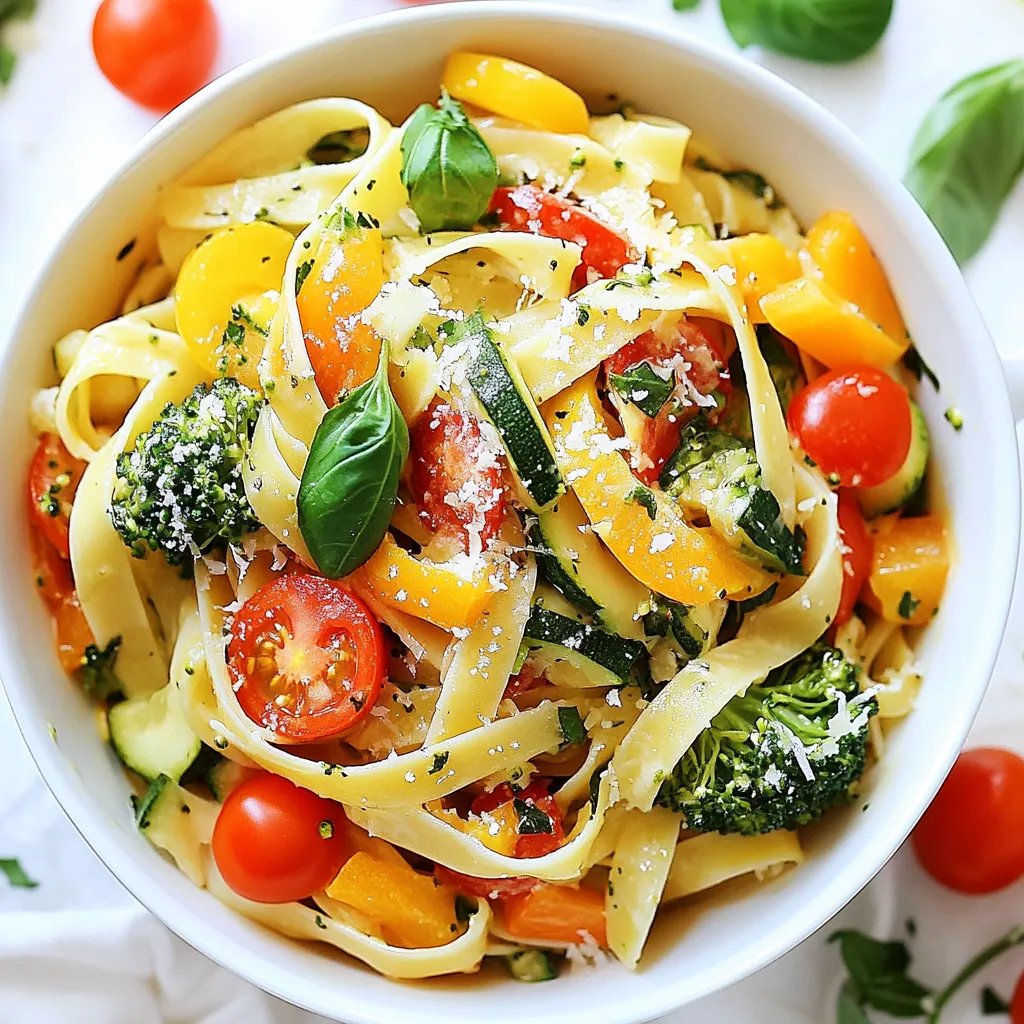
Pasta Primavera Flavorful Vegetable Delight Recipe

WANT TO SAVE THIS RECIPE?

Are you ready to enjoy a burst of fresh flavors? This Pasta Primavera recipe transforms simple ingredients into a vibrant, veggie-packed feast. Packed with seasonal vegetables and tossed in a light sauce, it’s a dish that everyone can love. Whether you’re a seasoned cook or just starting out, I’ll guide you step by step. Let’s dive into this colorful culinary delight that’s both easy to make and good for you!

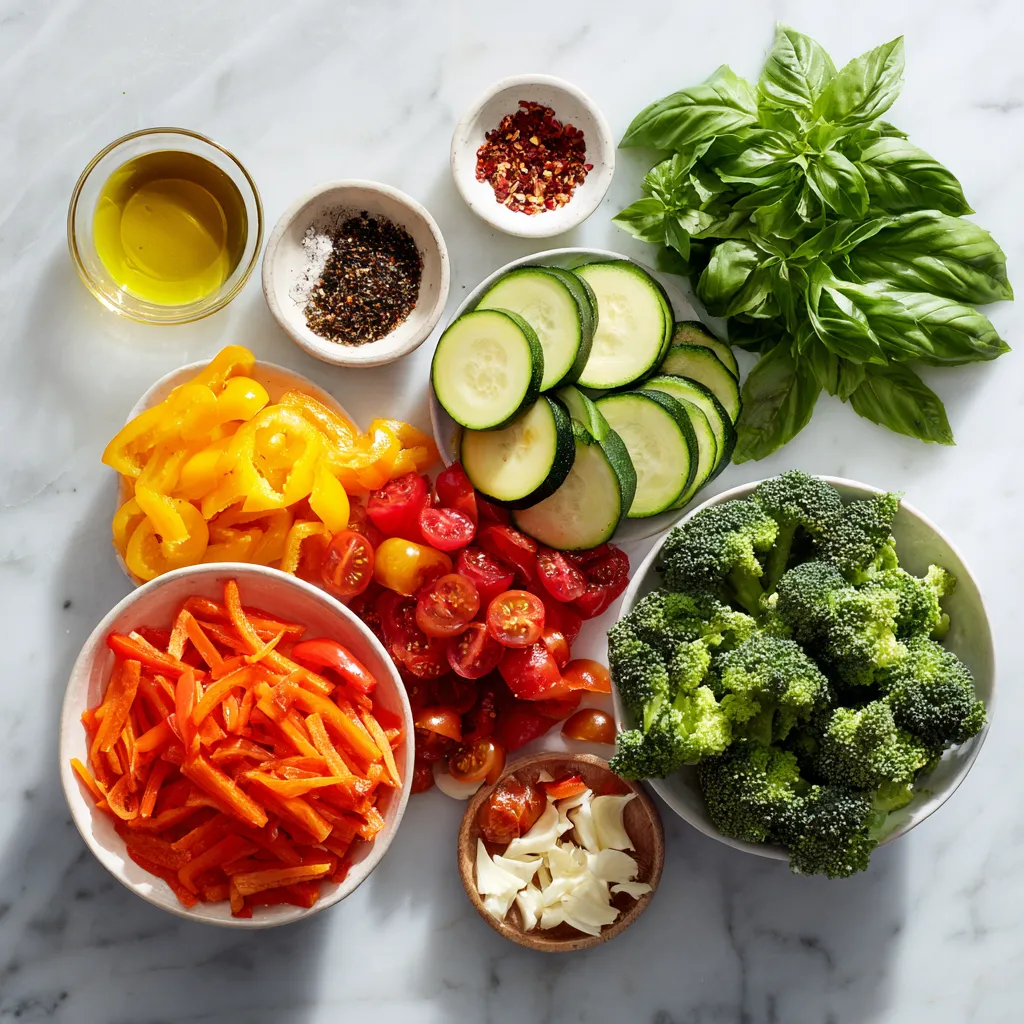
- 8 oz fettuccine or penne pasta - 1 tablespoon olive oil - 1 zucchini, sliced - 1 bell pepper (red or yellow), sliced - 1 cup cherry tomatoes, halved - 1 cup broccoli florets - 1 carrot, julienned - 2 cloves garlic, minced - 1 teaspoon dried Italian herbs (or a mix of basil, oregano, and thyme) - 1/2 teaspoon red pepper flakes (optional for heat) - Salt and pepper to taste - 1/4 cup fresh basil, chopped - 1/4 cup grated Parmesan cheese (or nutritional yeast for a vegan option) Pasta primavera is all about fresh veggies and bright flavors. You can pick your favorite pasta. I often use fettuccine or penne for this dish. Both hold the sauce well and feel great when you bite into them. Next, we need olive oil. It adds richness and helps cook the veggies nicely. Fresh vegetables are the stars here. I love using zucchini, bell peppers, cherry tomatoes, broccoli, and carrots. They bring color and crunch! Garlic gives a lovely aroma and taste. Italian herbs add a classic flavor that ties everything together. If you want some heat, a pinch of red pepper flakes does the trick. Don't forget salt and pepper for seasoning! Fresh basil at the end brightens the dish. Finally, Parmesan cheese or nutritional yeast adds a savory touch. You can swap cheese for nutritional yeast to keep it vegan. Gather these ingredients to create your own pasta primavera masterpiece! {{ingredient_image_1}} 1. Start by boiling a pot of water. Make sure to add a pinch of salt. 2. Add 8 oz of fettuccine or penne pasta to the water. Cook it according to the package instructions. 3. Before draining, reserve 1/2 cup of the pasta water. This water helps create a nice sauce later. 4. Drain the pasta and set it aside while you prepare the veggies. 1. In a large skillet, heat 1 tablespoon of olive oil over medium heat. 2. Add 2 cloves of minced garlic to the oil. Sauté it for about 30 seconds until it smells great. 3. Next, add 1 cup of broccoli florets, 1 sliced zucchini, and 1 julienned carrot. Sauté these for 3-4 minutes. They should start to soften. 4. Now, stir in 1 sliced bell pepper and 1 cup of halved cherry tomatoes. Add 1 teaspoon of dried Italian herbs and 1/2 teaspoon of red pepper flakes if you want some heat. 5. Cook everything for another 5-6 minutes. Stir occasionally until all the veggies are tender. 1. Add the drained pasta to the skillet with the veggies. 2. Pour in some of the reserved pasta water. This helps to create a light sauce. 3. Toss everything together well until it’s mixed nicely. 4. Season with salt and pepper to taste. 5. Finally, stir in 1/4 cup of fresh chopped basil and 1/4 cup of grated Parmesan cheese. 6. Serve right away, garnished with extra basil and cheese if you like. Enjoy your colorful garden pasta primavera! To make Pasta Primavera shine, use fresh herbs. Fresh basil adds a bright note. You can also mix dried Italian herbs like oregano and thyme. For heat, sprinkle in red pepper flakes. This gives your dish a nice kick. Fresh ingredients matter. Use vibrant, seasonal veggies. They taste better and look great. Try to pick firm zucchini and ripe tomatoes. This makes your dish pop with color and flavor. Sautéing vegetables takes skill. Start with garlic in hot olive oil. It should smell nice but not burn. Add harder veggies first, like broccoli and carrots. They need more time to cook. Timing is key. Add softer veggies next, like bell peppers and tomatoes. Cook them until tender, about 5-6 minutes. This keeps all veggies at their best texture. Presentation makes a dish special. Serve your Pasta Primavera in a big bowl or on individual plates. Top with extra Parmesan and fresh basil for flair. A drizzle of olive oil adds shine. Make it fun! You can use colorful bowls to match the veggies. This will make your meal look even more inviting. Pro Tips Use Seasonal Vegetables: Choosing seasonal vegetables not only enhances the flavor but also adds a variety of colors to your pasta primavera. Don't Overcook the Pasta: Ensure your pasta is cooked al dente, as it will continue to cook slightly when tossed with the vegetables. Experiment with Herbs: Feel free to mix different fresh herbs like parsley, cilantro, or chives for a unique flavor twist. Add Protein: For a heartier dish, consider adding grilled chicken, shrimp, or chickpeas to the mix for extra protein. {{image_2}} Want a vegan twist on this dish? You can swap the cheese for nutritional yeast. This gives a cheesy flavor without using dairy. Nutritional yeast is rich in vitamins and adds depth to your meal. You can also try other plant-based cheeses. They melt well and taste great. If you need a gluten-free meal, choose gluten-free pasta. Many brands offer great options. You can find pasta made from rice, quinoa, or chickpeas. Just be sure to follow the cooking time on the package. This ensures your pasta has the right texture. Using fresh, seasonal vegetables makes your Pasta Primavera even better. Think about what’s in season. Spring veggies like asparagus or snap peas add bright flavors. In summer, try using zucchini or bell peppers. Adjust your herbs and spices based on what you find. Fresh basil in summer or sage in fall can change the dish's flavor profile. To keep your Pasta Primavera fresh, store leftovers in the refrigerator. First, let the pasta cool down. Then, place it in an airtight container. This helps prevent moisture loss and keeps flavors intact. You can store it for up to three days. If you want to keep it longer, consider freezing it. Use freezer-safe bags or containers for this. When you are ready to eat your leftovers, reheating pasta is simple. Use a skillet over low heat. Add a splash of water or olive oil to avoid drying out the dish. Stir often to heat evenly. If you use the microwave, cover the bowl to retain moisture. This helps keep the pasta tender. Be cautious with vegetables while reheating. You want them warm, not mushy. Add them last when reheating in a skillet. This way, they stay crisp and maintain their bright colors. Enjoy your delicious meal again! Pasta Primavera keeps well in the fridge for about 3 to 4 days. Store it in an airtight container to keep it fresh. If you notice any off smells or changes in color, it's best to toss it. Yes, you can prepare Pasta Primavera ahead of time. Cook the pasta and vegetables, then store them separately. Combine them just before serving for the best taste. You can also chop your veggies a day in advance. This saves time when you are ready to eat. The best vegetables are those that you enjoy. Here are some great options: - Zucchini - Bell peppers (red or yellow) - Cherry tomatoes - Broccoli - Carrots You can also try adding spinach, asparagus, or peas. Feel free to mix it up based on what's in season or what you have in your fridge. Pasta Primavera offers a simple, fresh dish packed with flavor. You can use different pasta, fresh veggies, and herbs to make it your own. Follow our step-by-step guide to ensure success. Remember, fresh ingredients make a big difference. You can customize storage and reheating methods to enjoy leftovers easily. I hope you feel excited to make this dish again and again. Enjoy bringing vibrant, seasonal flavors into your home!
Why I Love This Recipe

  1. Vibrant Colors: This dish showcases a beautiful array of colorful vegetables, making it visually appealing and enticing to eat.
  2. Quick and Easy: With a total prep and cook time of just 30 minutes, this recipe is perfect for busy weeknights or last-minute gatherings.
  3. Healthy Ingredients: Packed with fresh vegetables, this pasta primavera is a nutritious option that’s both filling and satisfying.
  4. Customizable: Easily adapt this recipe by adding your favorite vegetables or protein, making it a versatile choice for any meal.

Ingredients

Main Ingredients for Pasta Primavera

– 8 oz fettuccine or penne pasta

– 1 tablespoon olive oil

– 1 zucchini, sliced

– 1 bell pepper (red or yellow), sliced

– 1 cup cherry tomatoes, halved

– 1 cup broccoli florets

– 1 carrot, julienned

– 2 cloves garlic, minced

– 1 teaspoon dried Italian herbs (or a mix of basil, oregano, and thyme)

– 1/2 teaspoon red pepper flakes (optional for heat)

– Salt and pepper to taste

– 1/4 cup fresh basil, chopped

– 1/4 cup grated Parmesan cheese (or nutritional yeast for a vegan option)

Pasta primavera is all about fresh veggies and bright flavors. You can pick your favorite pasta. I often use fettuccine or penne for this dish. Both hold the sauce well and feel great when you bite into them.

Next, we need olive oil. It adds richness and helps cook the veggies nicely. Fresh vegetables are the stars here. I love using zucchini, bell peppers, cherry tomatoes, broccoli, and carrots. They bring color and crunch!

Garlic gives a lovely aroma and taste. Italian herbs add a classic flavor that ties everything together. If you want some heat, a pinch of red pepper flakes does the trick.

Don’t forget salt and pepper for seasoning! Fresh basil at the end brightens the dish. Finally, Parmesan cheese or nutritional yeast adds a savory touch. You can swap cheese for nutritional yeast to keep it vegan.

Gather these ingredients to create your own pasta primavera masterpiece!

Step-by-Step Instructions

Cooking the Pasta

1. Start by boiling a pot of water. Make sure to add a pinch of salt.

2. Add 8 oz of fettuccine or penne pasta to the water. Cook it according to the package instructions.

3. Before draining, reserve 1/2 cup of the pasta water. This water helps create a nice sauce later.

4. Drain the pasta and set it aside while you prepare the veggies.

Sautéing the Vegetables

1. In a large skillet, heat 1 tablespoon of olive oil over medium heat.

2. Add 2 cloves of minced garlic to the oil. Sauté it for about 30 seconds until it smells great.

3. Next, add 1 cup of broccoli florets, 1 sliced zucchini, and 1 julienned carrot. Sauté these for 3-4 minutes. They should start to soften.

4. Now, stir in 1 sliced bell pepper and 1 cup of halved cherry tomatoes. Add 1 teaspoon of dried Italian herbs and 1/2 teaspoon of red pepper flakes if you want some heat.

5. Cook everything for another 5-6 minutes. Stir occasionally until all the veggies are tender.

Combining Ingredients

1. Add the drained pasta to the skillet with the veggies.

2. Pour in some of the reserved pasta water. This helps to create a light sauce.

3. Toss everything together well until it’s mixed nicely.

4. Season with salt and pepper to taste.

5. Finally, stir in 1/4 cup of fresh chopped basil and 1/4 cup of grated Parmesan cheese.

6. Serve right away, garnished with extra basil and cheese if you like. Enjoy your colorful garden pasta primavera!

Tips & Tricks

Making it Flavorful

To make Pasta Primavera shine, use fresh herbs. Fresh basil adds a bright note. You can also mix dried Italian herbs like oregano and thyme. For heat, sprinkle in red pepper flakes. This gives your dish a nice kick.

Fresh ingredients matter. Use vibrant, seasonal veggies. They taste better and look great. Try to pick firm zucchini and ripe tomatoes. This makes your dish pop with color and flavor.

Cooking Techniques

Sautéing vegetables takes skill. Start with garlic in hot olive oil. It should smell nice but not burn. Add harder veggies first, like broccoli and carrots. They need more time to cook.

Timing is key. Add softer veggies next, like bell peppers and tomatoes. Cook them until tender, about 5-6 minutes. This keeps all veggies at their best texture.

Presentation Ideas

Presentation makes a dish special. Serve your Pasta Primavera in a big bowl or on individual plates. Top with extra Parmesan and fresh basil for flair. A drizzle of olive oil adds shine.

Make it fun! You can use colorful bowls to match the veggies. This will make your meal look even more inviting.

Pro Tips

  1. Use Seasonal Vegetables: Choosing seasonal vegetables not only enhances the flavor but also adds a variety of colors to your pasta primavera.
  2. Don’t Overcook the Pasta: Ensure your pasta is cooked al dente, as it will continue to cook slightly when tossed with the vegetables.
  3. Experiment with Herbs: Feel free to mix different fresh herbs like parsley, cilantro, or chives for a unique flavor twist.
  4. Add Protein: For a heartier dish, consider adding grilled chicken, shrimp, or chickpeas to the mix for extra protein.

Variations

Vegan Pasta Primavera

Want a vegan twist on this dish? You can swap the cheese for nutritional yeast. This gives a cheesy flavor without using dairy. Nutritional yeast is rich in vitamins and adds depth to your meal. You can also try other plant-based cheeses. They melt well and taste great.

Gluten-Free Option

If you need a gluten-free meal, choose gluten-free pasta. Many brands offer great options. You can find pasta made from rice, quinoa, or chickpeas. Just be sure to follow the cooking time on the package. This ensures your pasta has the right texture.

Seasonal Variations

Using fresh, seasonal vegetables makes your Pasta Primavera even better. Think about what’s in season. Spring veggies like asparagus or snap peas add bright flavors. In summer, try using zucchini or bell peppers. Adjust your herbs and spices based on what you find. Fresh basil in summer or sage in fall can change the dish’s flavor profile.

Storage Info

Proper Storage Methods

To keep your Pasta Primavera fresh, store leftovers in the refrigerator. First, let the pasta cool down. Then, place it in an airtight container. This helps prevent moisture loss and keeps flavors intact. You can store it for up to three days. If you want to keep it longer, consider freezing it. Use freezer-safe bags or containers for this.

Reheating Tips

When you are ready to eat your leftovers, reheating pasta is simple. Use a skillet over low heat. Add a splash of water or olive oil to avoid drying out the dish. Stir often to heat evenly. If you use the microwave, cover the bowl to retain moisture. This helps keep the pasta tender.

Be cautious with vegetables while reheating. You want them warm, not mushy. Add them last when reheating in a skillet. This way, they stay crisp and maintain their bright colors. Enjoy your delicious meal again!

FAQs

How long does Pasta Primavera last in the fridge?

Pasta Primavera keeps well in the fridge for about 3 to 4 days. Store it in an airtight container to keep it fresh. If you notice any off smells or changes in color, it’s best to toss it.

Can I make Pasta Primavera ahead of time?

Yes, you can prepare Pasta Primavera ahead of time. Cook the pasta and vegetables, then store them separately. Combine them just before serving for the best taste. You can also chop your veggies a day in advance. This saves time when you are ready to eat.

What are the best vegetables to use?

The best vegetables are those that you enjoy. Here are some great options:

– Zucchini

– Bell peppers (red or yellow)

– Cherry tomatoes

– Broccoli

– Carrots

You can also try adding spinach, asparagus, or peas. Feel free to mix it up based on what’s in season or what you have in your fridge.

Pasta Primavera offers a simple, fresh dish packed with flavor. You can use different pasta, fresh veggies, and herbs to make it your own. Follow our step-by-step guide to ensure success. Remember, fresh ingredients make a big difference. You can customize storage and reheating methods to enjoy leftovers easily. I hope you feel excited to make this dish again and again. Enjoy bringing vibrant, seasonal flavors into your hom
- 8 oz fettuccine or penne pasta - 1 tablespoon olive oil - 1 zucchini, sliced - 1 bell pepper (red or yellow), sliced - 1 cup cherry tomatoes, halved - 1 cup broccoli florets - 1 carrot, julienned - 2 cloves garlic, minced - 1 teaspoon dried Italian herbs (or a mix of basil, oregano, and thyme) - 1/2 teaspoon red pepper flakes (optional for heat) - Salt and pepper to taste - 1/4 cup fresh basil, chopped - 1/4 cup grated Parmesan cheese (or nutritional yeast for a vegan option) Pasta primavera is all about fresh veggies and bright flavors. You can pick your favorite pasta. I often use fettuccine or penne for this dish. Both hold the sauce well and feel great when you bite into them. Next, we need olive oil. It adds richness and helps cook the veggies nicely. Fresh vegetables are the stars here. I love using zucchini, bell peppers, cherry tomatoes, broccoli, and carrots. They bring color and crunch! Garlic gives a lovely aroma and taste. Italian herbs add a classic flavor that ties everything together. If you want some heat, a pinch of red pepper flakes does the trick. Don't forget salt and pepper for seasoning! Fresh basil at the end brightens the dish. Finally, Parmesan cheese or nutritional yeast adds a savory touch. You can swap cheese for nutritional yeast to keep it vegan. Gather these ingredients to create your own pasta primavera masterpiece! {{ingredient_image_1}} 1. Start by boiling a pot of water. Make sure to add a pinch of salt. 2. Add 8 oz of fettuccine or penne pasta to the water. Cook it according to the package instructions. 3. Before draining, reserve 1/2 cup of the pasta water. This water helps create a nice sauce later. 4. Drain the pasta and set it aside while you prepare the veggies. 1. In a large skillet, heat 1 tablespoon of olive oil over medium heat. 2. Add 2 cloves of minced garlic to the oil. Sauté it for about 30 seconds until it smells great. 3. Next, add 1 cup of broccoli florets, 1 sliced zucchini, and 1 julienned carrot. Sauté these for 3-4 minutes. They should start to soften. 4. Now, stir in 1 sliced bell pepper and 1 cup of halved cherry tomatoes. Add 1 teaspoon of dried Italian herbs and 1/2 teaspoon of red pepper flakes if you want some heat. 5. Cook everything for another 5-6 minutes. Stir occasionally until all the veggies are tender. 1. Add the drained pasta to the skillet with the veggies. 2. Pour in some of the reserved pasta water. This helps to create a light sauce. 3. Toss everything together well until it’s mixed nicely. 4. Season with salt and pepper to taste. 5. Finally, stir in 1/4 cup of fresh chopped basil and 1/4 cup of grated Parmesan cheese. 6. Serve right away, garnished with extra basil and cheese if you like. Enjoy your colorful garden pasta primavera! To make Pasta Primavera shine, use fresh herbs. Fresh basil adds a bright note. You can also mix dried Italian herbs like oregano and thyme. For heat, sprinkle in red pepper flakes. This gives your dish a nice kick. Fresh ingredients matter. Use vibrant, seasonal veggies. They taste better and look great. Try to pick firm zucchini and ripe tomatoes. This makes your dish pop with color and flavor. Sautéing vegetables takes skill. Start with garlic in hot olive oil. It should smell nice but not burn. Add harder veggies first, like broccoli and carrots. They need more time to cook. Timing is key. Add softer veggies next, like bell peppers and tomatoes. Cook them until tender, about 5-6 minutes. This keeps all veggies at their best texture. Presentation makes a dish special. Serve your Pasta Primavera in a big bowl or on individual plates. Top with extra Parmesan and fresh basil for flair. A drizzle of olive oil adds shine. Make it fun! You can use colorful bowls to match the veggies. This will make your meal look even more inviting. Pro Tips Use Seasonal Vegetables: Choosing seasonal vegetables not only enhances the flavor but also adds a variety of colors to your pasta primavera. Don't Overcook the Pasta: Ensure your pasta is cooked al dente, as it will continue to cook slightly when tossed with the vegetables. Experiment with Herbs: Feel free to mix different fresh herbs like parsley, cilantro, or chives for a unique flavor twist. Add Protein: For a heartier dish, consider adding grilled chicken, shrimp, or chickpeas to the mix for extra protein. {{image_2}} Want a vegan twist on this dish? You can swap the cheese for nutritional yeast. This gives a cheesy flavor without using dairy. Nutritional yeast is rich in vitamins and adds depth to your meal. You can also try other plant-based cheeses. They melt well and taste great. If you need a gluten-free meal, choose gluten-free pasta. Many brands offer great options. You can find pasta made from rice, quinoa, or chickpeas. Just be sure to follow the cooking time on the package. This ensures your pasta has the right texture. Using fresh, seasonal vegetables makes your Pasta Primavera even better. Think about what’s in season. Spring veggies like asparagus or snap peas add bright flavors. In summer, try using zucchini or bell peppers. Adjust your herbs and spices based on what you find. Fresh basil in summer or sage in fall can change the dish's flavor profile. To keep your Pasta Primavera fresh, store leftovers in the refrigerator. First, let the pasta cool down. Then, place it in an airtight container. This helps prevent moisture loss and keeps flavors intact. You can store it for up to three days. If you want to keep it longer, consider freezing it. Use freezer-safe bags or containers for this. When you are ready to eat your leftovers, reheating pasta is simple. Use a skillet over low heat. Add a splash of water or olive oil to avoid drying out the dish. Stir often to heat evenly. If you use the microwave, cover the bowl to retain moisture. This helps keep the pasta tender. Be cautious with vegetables while reheating. You want them warm, not mushy. Add them last when reheating in a skillet. This way, they stay crisp and maintain their bright colors. Enjoy your delicious meal again! Pasta Primavera keeps well in the fridge for about 3 to 4 days. Store it in an airtight container to keep it fresh. If you notice any off smells or changes in color, it's best to toss it. Yes, you can prepare Pasta Primavera ahead of time. Cook the pasta and vegetables, then store them separately. Combine them just before serving for the best taste. You can also chop your veggies a day in advance. This saves time when you are ready to eat. The best vegetables are those that you enjoy. Here are some great options: - Zucchini - Bell peppers (red or yellow) - Cherry tomatoes - Broccoli - Carrots You can also try adding spinach, asparagus, or peas. Feel free to mix it up based on what's in season or what you have in your fridge. Pasta Primavera offers a simple, fresh dish packed with flavor. You can use different pasta, fresh veggies, and herbs to make it your own. Follow our step-by-step guide to ensure success. Remember, fresh ingredients make a big difference. You can customize storage and reheating methods to enjoy leftovers easily. I hope you feel excited to make this dish again and again. Enjoy bringing vibrant, seasonal flavors into your home!

Colorful Garden Pasta Primavera

A vibrant and healthy pasta dish loaded with fresh vegetables.
Prep Time 10 minutes
Cook Time 20 minutes
Total Time 30 minutes
Course Main Course
Cuisine Italian
Servings 4
Calories 350 kcal

Ingredients
  

  • 8 oz fettuccine or penne pasta
  • 1 tablespoon olive oil
  • 1 whole zucchini, sliced
  • 1 whole bell pepper (red or yellow), sliced
  • 1 cup cherry tomatoes, halved
  • 1 cup broccoli florets
  • 1 whole carrot, julienned
  • 2 cloves garlic, minced
  • 1 teaspoon dried Italian herbs
  • 0.5 teaspoon red pepper flakes (optional for heat)
  • 1 to taste Salt
  • 1 to taste Pepper
  • 0.25 cup fresh basil, chopped
  • 0.25 cup grated Parmesan cheese (or nutritional yeast for a vegan option)

Instructions
 

  • Cook the pasta according to package instructions in a large pot of salted boiling water. Reserve 1/2 cup of pasta water before draining.
  • In a large skillet, heat the olive oil over medium heat. Add the minced garlic and sauté for about 30 seconds until fragrant.
  • Stir in the broccoli, zucchini, and carrot. Sauté for 3-4 minutes until they start to soften.
  • Add the sliced bell pepper and cherry tomatoes to the skillet, along with the dried Italian herbs and red pepper flakes, if using. Cook for another 5-6 minutes, stirring occasionally, until all vegetables are tender.
  • Add the drained pasta to the skillet, along with the reserved pasta water as needed to create a light sauce. Toss everything together until well combined.
  • Season with salt and pepper to taste. Remove from heat and stir in fresh basil and Parmesan cheese.
  • Serve immediately, garnished with extra fresh basil and cheese if desired.

Notes

Serve in a large bowl or individual plates, topped with a sprinkle of Parmesan and fresh basil, and a drizzle of olive oil for a lovely finish.
Keyword pasta, spring, vegetarian

WANT TO SAVE THIS RECIPE?