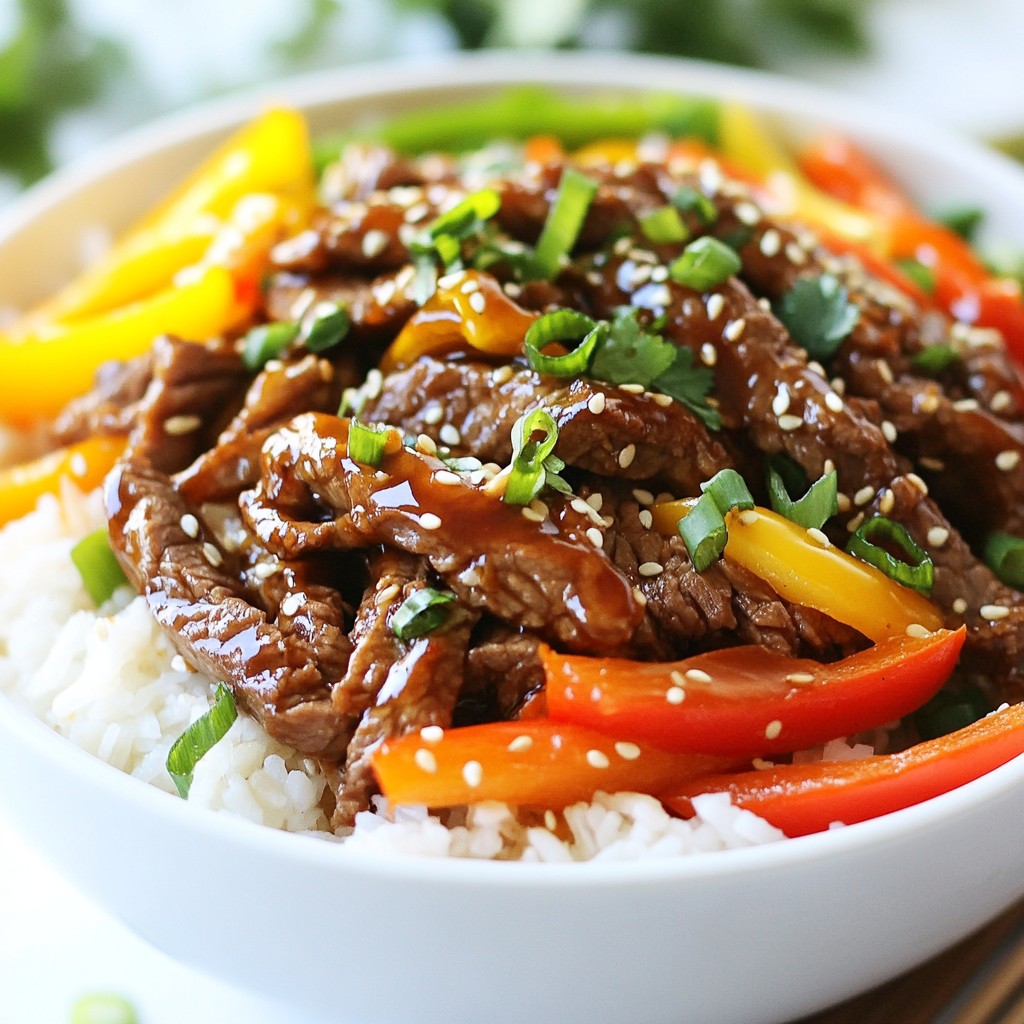
Are you ready to spice up your dinner routine? Korean Beef Bulgogi Bowls offer a tasty and satisfying meal that's easy to make. This dish features marinated beef, fresh vegetables, and bold flavors that will delight your taste buds. In this guide, I’ll share my favorite tips, variations, and storage methods so you can enjoy this delightful meal at home. Let’s dive into the savory world of bulgogi!
Why I Love This Recipe
- Delicious Flavor Profile: The combination of savory soy sauce, sweet brown sugar, and spicy gochujang creates a rich and complex flavor that is truly irresistible.
- Quick and Easy: This recipe comes together in under an hour, making it perfect for a weeknight dinner without sacrificing taste.
- Customizable Ingredients: You can easily swap out the vegetables or adjust the heat level to suit your personal preferences, making this dish versatile.
- A Fun Dining Experience: Serving these bulgogi bowls allows for a communal dining experience, where everyone can customize their bowl to their liking.
Ingredients
Main Ingredients for Korean Beef Bulgogi
- Beef sirloin details
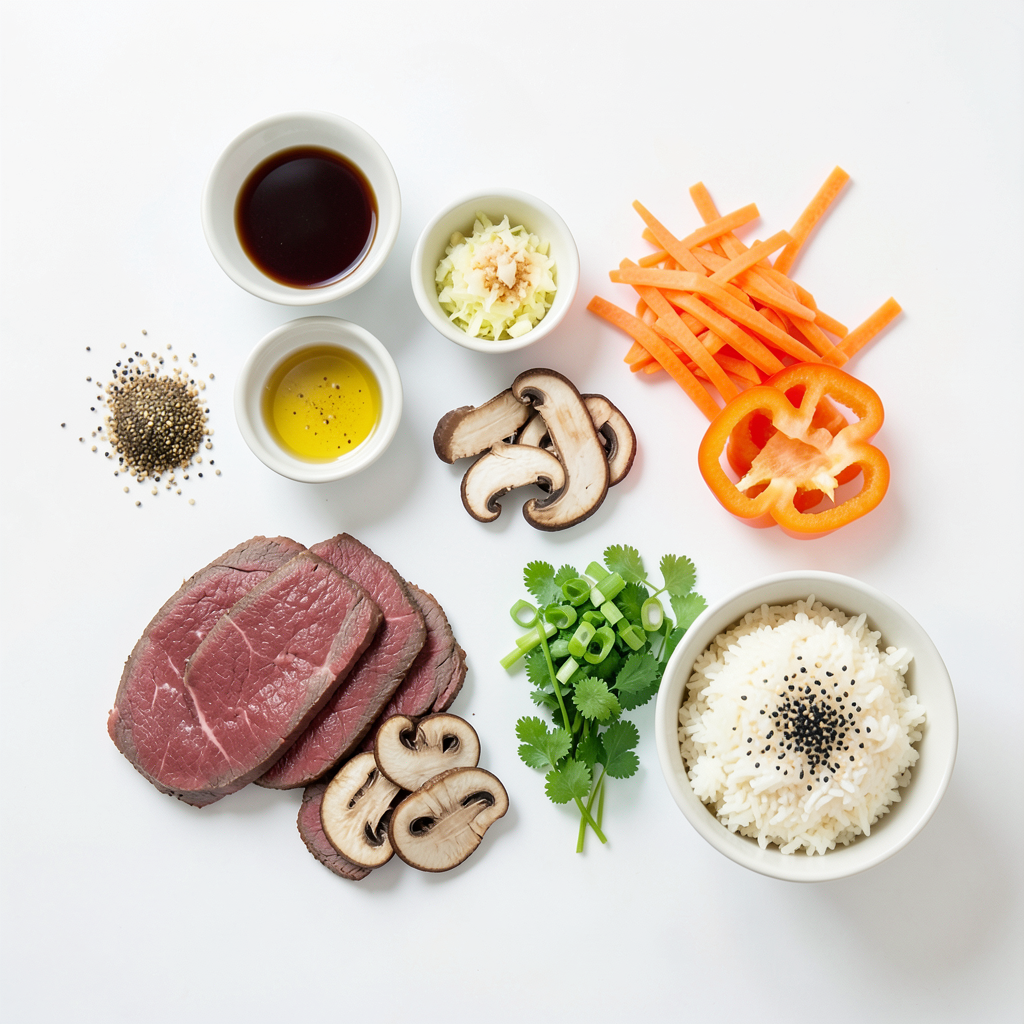
You need 1 pound of beef sirloin, thinly sliced. Sirloin is tender and flavorful. Choosing the right cut makes a big difference. This cut cooks quickly and stays juicy.
- Key flavoring components
The marinade is the heart of bulgogi. For this, mix 1/4 cup of soy sauce with 2 tablespoons of brown sugar. Add 1 tablespoon of sesame oil for richness. Don't forget 2 minced garlic cloves and a 1-inch piece of grated ginger for depth. Finally, stir in 1 tablespoon of gochujang for a spicy kick.
- Vegetables used
You will use fresh veggies for color and crunch. Slice 1 carrot into thin strips (julienne) and 1 bell pepper into pieces. Shiitake mushrooms add a unique taste, so slice 1 cup of those. Finish with 2 chopped green onions for garnish.
These ingredients come together to create a dish that's both flavorful and satisfying.
Step-by-Step Instructions
Preparation of the Marinade
To start, you need to make the marinade. In a large bowl, combine:
- 1/4 cup soy sauce
- 2 tablespoons brown sugar
- 1 tablespoon sesame oil
- 2 cloves garlic, minced
- 1-inch piece of ginger, grated
- 1 tablespoon gochujang (Korean red chili paste)
Whisk these ingredients until they mix well. This blend gives bulgogi its rich flavor. The soy sauce adds saltiness, while sugar brings sweetness. Gochujang gives it a spicy kick.
Let the beef marinate for at least 30 minutes. If you have time, marinate it for up to 2 hours. This wait allows the flavors to soak in. For extra flavor, you can let it sit overnight.
Cooking the Beef
Heat a large skillet or wok over medium-high heat. Make sure it’s hot before adding the beef. This step helps the beef cook evenly and brown nicely.
Add the marinated beef in batches. Avoid overcrowding the pan. If you add too much, the beef will steam instead of sear. Cook for about 3-4 minutes until it turns brown and is cooked through.
Once cooked, remove the beef from the skillet. Set it aside while you prepare the vegetables.
Vegetable Preparation and Final Mixing
Next, it’s time for the vegetables. In the same skillet, add:
- 1 carrot, julienned
- 1 bell pepper, sliced
- 1 cup shiitake mushrooms, sliced
Stir-fry these veggies for about 4-5 minutes. Add them when the beef is done. This timing helps keep the veggies tender-crisp, not mushy.
After the vegetables are cooked, return the beef to the skillet. Stir everything together for another 1-2 minutes. This step helps mix all the flavors.
Now, serve the bulgogi over bowls of cooked jasmine or sticky rice. Top it with chopped green onions, sesame seeds, and fresh cilantro or parsley. Enjoy your tasty Korean Beef Bulgogi Bowls!
Tips & Tricks
Perfecting the Marinade
To make your bulgogi stand out, adjust the spice level with gochujang. If you want it spicier, add a bit more gochujang. For a milder taste, reduce the amount. It’s all about finding your perfect heat!
Marinating time is also key. I suggest marinating for at least 30 minutes. If you have more time, let it sit for up to 2 hours. This helps the beef soak up all those tasty flavors.
Cooking Tips
To keep your beef tender, avoid cooking it for too long. Sauté the beef for just 3-4 minutes until it’s browned. This way, it stays juicy and flavorful.
Use a large skillet or a wok for cooking. This will help you manage the heat better. It also allows you to cook in batches without overcrowding.
Presentation Tips
Garnishes make your dish pop! I love using chopped green onions and sesame seeds. They add color and texture. Fresh cilantro or parsley can also brighten your bowl.
Serve your bulgogi bowl with a side of kimchi. This adds a tangy crunch that pairs well with the beef. Arrange everything artfully for a vibrant and inviting meal.
Pro Tips
- Marinate for Maximum Flavor: Allow the beef to marinate for at least 2 hours to deepen the flavors, or even overnight for the best results.
- Use High Heat: Searing the beef quickly over high heat helps to lock in juices and achieve a nice caramelization, enhancing the overall flavor.
- Customize the Veggies: Feel free to add other vegetables like zucchini or broccoli based on your preference to add more color and nutrition.
- Garnish Generously: Don’t skimp on the garnishes! Fresh herbs and sesame seeds not only add flavor but also make your dish visually appealing.
Variations
Alternative Protein Options
You can switch the beef for chicken or tofu. Chicken thighs work well, and they stay juicy. For tofu, choose firm or extra-firm. Press it to remove water, then slice. Marinate the pieces like the beef. The taste will still be fantastic!
If you want a vegetarian bulgogi, use mushrooms or tempeh. Both absorb the marinade well. They give a hearty bite and a tasty flavor.
Flavor Variations
You can change the sweet and spicy mix. Add more brown sugar for sweetness. If you like spice, boost the gochujang. Start small and taste as you go.
Try adding different veggies too. Snow peas, zucchini, or broccoli work great. They add texture and color to your bowl.
Serving Suggestions
Enhance your bulgogi bowls with fun toppings. Try avocado slices for creaminess or pickled radishes for crunch.
For a spicy kick, mix chili flakes into your rice. You can also add sesame seeds for a nutty touch. Experiment with sauces like sriracha or soy sauce to find your favorite blend!
Storage Info
Storing Leftovers
To keep your Korean beef bulgogi fresh, store leftovers in an airtight container. Place it in the fridge within two hours after cooking. This way, the beef stays juicy and the flavors stay strong. You can keep it in the fridge for about three to four days. If you want to enjoy it longer, consider freezing it.
Freezing Options
To freeze the bulgogi, let it cool to room temperature first. Then, transfer it to a freezer-safe bag or container. Remove as much air as you can to prevent freezer burn. Make sure to label it with the date. You can freeze it for up to three months. When you’re ready to eat, thaw it in the fridge overnight or use the defrost setting on your microwave.
Reheating Tips
When it’s time to reheat, the best way is to use a skillet over low heat. This keeps the beef tender and flavorful. Stir it often to heat evenly. If you use a microwave, place the bulgogi in a bowl with a splash of water. Cover it with a microwave-safe lid to trap steam. Heat it in short bursts, checking often to avoid overcooking. Enjoy your bulgogi with fresh rice and garnishes!
FAQs
What is bulgogi?
Bulgogi is a popular Korean dish. It means "fire meat" in Korean. This dish has roots that go back to the Goguryeo era, over 2,000 years ago. Traditionally, bulgogi uses marinated beef, grilled or stir-fried. The marinade includes soy sauce, sugar, sesame oil, garlic, and gochujang. This mix gives bulgogi its sweet and savory flavor. Today, many people enjoy bulgogi in bowls, paired with rice and vegetables.
Can I make this recipe in advance?
Yes, you can prepare bulgogi in advance. Marinate the beef up to two hours before cooking. If you want to save time, marinate it overnight in the fridge. This will make the beef even tastier. After cooking, you can store the bulgogi in an airtight container. It stays fresh for about three days in the fridge. You can also freeze it for up to three months. Just remember to thaw it in the fridge before reheating.
What to serve with Korean Beef Bulgogi Bowls?
Korean Beef Bulgogi Bowls pair well with several dishes. Here are some great options:
- Kimchi: This spicy fermented cabbage adds crunch.
- Pickled vegetables: They bring a fresh, tangy flavor.
- Steamed broccoli: This adds a healthy touch.
- Miso soup: A warm soup can balance the meal.
- Cold beverages: Try a Korean rice drink or iced tea.
These sides make your meal more exciting and flavorful. Enjoy exploring different combinations!
In this post, we explored how to make Korean Beef Bulgogi. We covered the key ingredients, including beef sirloin, marinade preparation, and cooking tips. I shared ways to enhance flavor and keep vegetables crisp. We also discussed alternatives for proteins and different flavor variations. Finally, I provided storage options and advice for reheating.
Now you can create a delicious meal with bulgogi at home. Enjoy experimenting with flavors and sharing this dish with friends and family. Happy cooking!