

Creamy One-Pot Butternut Squash Pasta Delight

WANT TO SAVE THIS RECIPE?

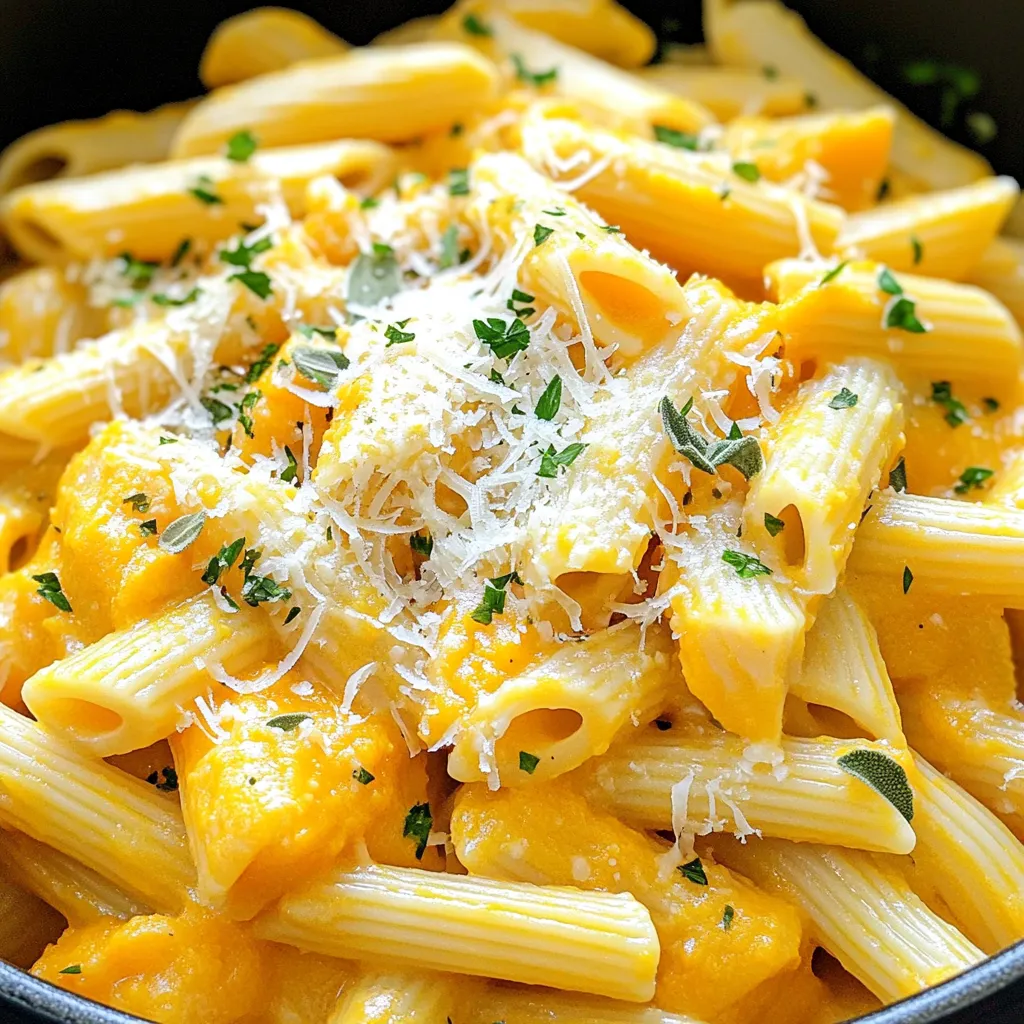
If you love creamy pasta and hearty flavors, you’re in for a treat! My Creamy One-Pot Butternut Squash Pasta Delight is simple, satisfying, and requires just one pot. It’s a dish that combines the warm sweetness of butternut squash with a creamy sauce that’ll make your taste buds dance. Whether you’re cooking for family or friends, this meal is sure to impress. Ready to dive into a cozy bowl of goodness? Let’s get started!

To make this creamy one-pot butternut squash pasta, gather these simple ingredients: - 12 oz pasta (penne or farfalle works well) - 1 small butternut squash, peeled and diced - 1 medium onion, diced - 3 cloves garlic, minced - 1 cup vegetable broth - 1 cup heavy cream (or coconut cream for dairy-free) - 1/2 cup grated Parmesan cheese (or nutritional yeast for dairy-free) - 1 teaspoon dried sage - 1 teaspoon dried thyme - Salt and pepper to taste - 2 tablespoons olive oil - Fresh parsley, chopped (for garnish) You can easily tweak this recipe to fit your needs. Here are some ideas: - For a vegan dish, swap heavy cream with coconut cream and use nutritional yeast. - Instead of Parmesan cheese, use a vegan cheese or nutritional yeast for a cheesy flavor. - If you're gluten-free, choose gluten-free pasta to make this meal fit your diet. Choosing the right squash is key for this dish. Here’s how to pick a great one: - Look for a squash that feels heavy for its size. This means it’s full of flavor. - The skin should be smooth and have a deep, even color. Avoid any blemishes or soft spots. - A fresh squash will sound hollow when tapped. This indicates it's ripe and ready to eat. Use these tips to ensure your creamy one-pot butternut squash pasta is as delicious as possible! Start by gathering all your ingredients. You will need pasta, butternut squash, onion, garlic, broth, cream, and spices. This recipe uses simple ingredients for easy cooking. 1. Heat olive oil in a large pot over medium heat. 2. Once hot, add diced onion and cook for 3-4 minutes until soft. 3. Next, add minced garlic and cook for 1 minute until it smells good. 4. Now, add the diced butternut squash. Stir and cook for 5-7 minutes until it begins to soften. 5. Pour in the vegetable broth, cover the pot, and bring to a simmer. Cook for about 10 minutes until the squash is soft. 6. When the squash is ready, use an immersion blender to puree the mix until smooth. 7. Stir in the heavy cream, then bring the sauce back to a gentle simmer. 8. Next, add dried sage, dried thyme, salt, and pepper. Taste and make changes if needed. 9. Add the pasta and ensure it is fully submerged in the sauce. Cook according to the package instructions, about 10-12 minutes, until the pasta is tender. 10. Once the pasta is cooked, stir in the grated Parmesan cheese. Mix until it is creamy and melted. 11. Remove the pot from heat and let it sit for a couple of minutes. This helps thicken the sauce. 12. Serve warm and sprinkle with chopped parsley for a fresh touch. To get the creamiest sauce, start with a good base. When you puree the cooked butternut squash, make sure it is very smooth. This smoothness helps the sauce blend well. Adding heavy cream, or coconut cream if you want a dairy-free option, creates that rich texture. Always stir the cream in slowly. This way, it mixes well with the squash. Cook the pasta right in the sauce. This method lets the pasta soak up flavors. Make sure the pasta is fully submerged in the sauce. Stir it often to prevent sticking. Follow the package cooking time, but check for doneness a minute early. You want the pasta to be al dente, which means it should still have a slight bite to it. This keeps it from getting mushy. If you have leftover squash, you can use it in many ways. Add it to soups, salads, or even as a topping for pizza. Leftover sauce can be stored in the fridge for three to four days. You can also freeze it for up to three months. When using frozen sauce, thaw it in the fridge overnight. Heat it gently on the stove before serving. {{image_2}} To make this dish vegan, you can swap a few ingredients. Use coconut cream instead of heavy cream. For cheese, try nutritional yeast. It adds a cheesy flavor without any dairy. Want to boost the protein? You can add cooked chicken or shrimp to the pasta. For a vegetarian option, chickpeas or lentils work great. Just mix them in before serving. Herbs and spices can change this dish's taste. Try adding rosemary or oregano for a new twist. A pinch of red pepper flakes can add some heat. Don't be afraid to experiment! After you enjoy your creamy one-pot butternut squash pasta, store leftovers in an airtight container. Make sure to let it cool down first. This will keep the pasta fresh. Place it in the fridge, where it will stay good for up to three days. If you want to enjoy it later, consider freezing it instead. To reheat your pasta, you can use a microwave or a stovetop. If using a microwave, place the pasta in a bowl. Add a splash of water to keep it moist. Cover the bowl and heat in short bursts, stirring in between. If using the stovetop, add the pasta to a pan over low heat. Stir gently and add a little cream if it looks dry. Heat until warm, then serve. If you want to freeze the pasta, portion it into smaller containers. This makes it easy to reheat only what you need. Be sure to leave some space in each container, as the pasta may expand when frozen. It can last in the freezer for up to three months. When ready to eat, thaw it in the fridge overnight before reheating. Enjoy your creamy dish anytime! Yes, you can use frozen butternut squash. It saves time and is very convenient. Just add it directly to the pot. You may need to cook it a bit longer to ensure it gets tender. You can use any pasta you like! Penne and farfalle work well, but you can try fusilli, rotini, or even spaghetti. Just follow the cooking time on the pasta package. To make this dish gluten-free, use gluten-free pasta. Many brands offer great options that cook well. Just be sure to check that the vegetable broth is also gluten-free. Enjoy your creamy dish without gluten! In this blog post, we explored how to create a delicious butternut squash pasta dish. We covered everything from ingredients, including fresh options and dietary swaps, to step-by-step cooking instructions. I shared tips for a creamy sauce and ideas for using leftovers. We discussed exciting variations for vegan diets and protein additions. Finally, we included essential storage tips to keep your meal fresh. Remember, this dish can easily adapt to your tastes and pantry needs, making it a fun, versatile recipe to enjoy anytime.

Ingredients

Complete list of ingredients

To make this creamy one-pot butternut squash pasta, gather these simple ingredients:

– 12 oz pasta (penne or farfalle works well)

– 1 small butternut squash, peeled and diced

– 1 medium onion, diced

– 3 cloves garlic, minced

– 1 cup vegetable broth

– 1 cup heavy cream (or coconut cream for dairy-free)

– 1/2 cup grated Parmesan cheese (or nutritional yeast for dairy-free)

– 1 teaspoon dried sage

– 1 teaspoon dried thyme

– Salt and pepper to taste

– 2 tablespoons olive oil

– Fresh parsley, chopped (for garnish)

Substitutions for dietary preferences

You can easily tweak this recipe to fit your needs. Here are some ideas:

– For a vegan dish, swap heavy cream with coconut cream and use nutritional yeast.

– Instead of Parmesan cheese, use a vegan cheese or nutritional yeast for a cheesy flavor.

– If you’re gluten-free, choose gluten-free pasta to make this meal fit your diet.

Tips for selecting fresh butternut squash

Choosing the right squash is key for this dish. Here’s how to pick a great one:

– Look for a squash that feels heavy for its size. This means it’s full of flavor.

– The skin should be smooth and have a deep, even color. Avoid any blemishes or soft spots.

– A fresh squash will sound hollow when tapped. This indicates it’s ripe and ready to eat.

Use these tips to ensure your creamy one-pot butternut squash pasta is as delicious as possible!

Step-by-Step Instructions

Preparation overview

Start by gathering all your ingredients. You will need pasta, butternut squash, onion, garlic, broth, cream, and spices. This recipe uses simple ingredients for easy cooking.

Detailed cooking process

1. Heat olive oil in a large pot over medium heat.

2. Once hot, add diced onion and cook for 3-4 minutes until soft.

3. Next, add minced garlic and cook for 1 minute until it smells good.

4. Now, add the diced butternut squash. Stir and cook for 5-7 minutes until it begins to soften.

5. Pour in the vegetable broth, cover the pot, and bring to a simmer. Cook for about 10 minutes until the squash is soft.

6. When the squash is ready, use an immersion blender to puree the mix until smooth.

Blending and combining flavors

7. Stir in the heavy cream, then bring the sauce back to a gentle simmer.

8. Next, add dried sage, dried thyme, salt, and pepper. Taste and make changes if needed.

9. Add the pasta and ensure it is fully submerged in the sauce. Cook according to the package instructions, about 10-12 minutes, until the pasta is tender.

10. Once the pasta is cooked, stir in the grated Parmesan cheese. Mix until it is creamy and melted.

11. Remove the pot from heat and let it sit for a couple of minutes. This helps thicken the sauce.

12. Serve warm and sprinkle with chopped parsley for a fresh touch.

Tips & Tricks

How to achieve the creamiest sauce

To get the creamiest sauce, start with a good base. When you puree the cooked butternut squash, make sure it is very smooth. This smoothness helps the sauce blend well. Adding heavy cream, or coconut cream if you want a dairy-free option, creates that rich texture. Always stir the cream in slowly. This way, it mixes well with the squash.

Best practices for cooking pasta in sauce

Cook the pasta right in the sauce. This method lets the pasta soak up flavors. Make sure the pasta is fully submerged in the sauce. Stir it often to prevent sticking. Follow the package cooking time, but check for doneness a minute early. You want the pasta to be al dente, which means it should still have a slight bite to it. This keeps it from getting mushy.

Using leftover squash and sauces

If you have leftover squash, you can use it in many ways. Add it to soups, salads, or even as a topping for pizza. Leftover sauce can be stored in the fridge for three to four days. You can also freeze it for up to three months. When using frozen sauce, thaw it in the fridge overnight. Heat it gently on the stove before serving.
Variations

Vegan version

To make this dish vegan, you can swap a few ingredients. Use coconut cream instead of heavy cream. For cheese, try nutritional yeast. It adds a cheesy flavor without any dairy.

Adding protein options

Want to boost the protein? You can add cooked chicken or shrimp to the pasta. For a vegetarian option, chickpeas or lentils work great. Just mix them in before serving.

Incorporating different herbs and spices

Herbs and spices can change this dish’s taste. Try adding rosemary or oregano for a new twist. A pinch of red pepper flakes can add some heat. Don’t be afraid to experiment!

Storage Info

How to store leftovers

After you enjoy your creamy one-pot butternut squash pasta, store leftovers in an airtight container. Make sure to let it cool down first. This will keep the pasta fresh. Place it in the fridge, where it will stay good for up to three days. If you want to enjoy it later, consider freezing it instead.

Reheating instructions

To reheat your pasta, you can use a microwave or a stovetop. If using a microwave, place the pasta in a bowl. Add a splash of water to keep it moist. Cover the bowl and heat in short bursts, stirring in between. If using the stovetop, add the pasta to a pan over low heat. Stir gently and add a little cream if it looks dry. Heat until warm, then serve.

Freezing tips for pre-made portions

If you want to freeze the pasta, portion it into smaller containers. This makes it easy to reheat only what you need. Be sure to leave some space in each container, as the pasta may expand when frozen. It can last in the freezer for up to three months. When ready to eat, thaw it in the fridge overnight before reheating. Enjoy your creamy dish anytime!

FAQs

Can I use frozen butternut squash?

Yes, you can use frozen butternut squash. It saves time and is very convenient. Just add it directly to the pot. You may need to cook it a bit longer to ensure it gets tender.

What other types of pasta can I use?

You can use any pasta you like! Penne and farfalle work well, but you can try fusilli, rotini, or even spaghetti. Just follow the cooking time on the pasta package.

How can I make this dish gluten-free?

To make this dish gluten-free, use gluten-free pasta. Many brands offer great options that cook well. Just be sure to check that the vegetable broth is also gluten-free. Enjoy your creamy dish without gluten!

In this blog post, we explored how to create a delicious butternut squash pasta dish. We covered everything from ingredients, including fresh options and dietary swaps, to step-by-step cooking instructions. I shared tips for a creamy sauce and ideas for using leftovers. We discussed exciting variations for vegan diets and protein additions. Finally, we included essential storage tips to keep your meal fresh. Remember, this dish can easily adapt to your tastes and pantry needs, making it a fun, versatile recipe to enjoy anytime.
To make this creamy one-pot butternut squash pasta, gather these simple ingredients: - 12 oz pasta (penne or farfalle works well) - 1 small butternut squash, peeled and diced - 1 medium onion, diced - 3 cloves garlic, minced - 1 cup vegetable broth - 1 cup heavy cream (or coconut cream for dairy-free) - 1/2 cup grated Parmesan cheese (or nutritional yeast for dairy-free) - 1 teaspoon dried sage - 1 teaspoon dried thyme - Salt and pepper to taste - 2 tablespoons olive oil - Fresh parsley, chopped (for garnish) You can easily tweak this recipe to fit your needs. Here are some ideas: - For a vegan dish, swap heavy cream with coconut cream and use nutritional yeast. - Instead of Parmesan cheese, use a vegan cheese or nutritional yeast for a cheesy flavor. - If you're gluten-free, choose gluten-free pasta to make this meal fit your diet. Choosing the right squash is key for this dish. Here’s how to pick a great one: - Look for a squash that feels heavy for its size. This means it’s full of flavor. - The skin should be smooth and have a deep, even color. Avoid any blemishes or soft spots. - A fresh squash will sound hollow when tapped. This indicates it's ripe and ready to eat. Use these tips to ensure your creamy one-pot butternut squash pasta is as delicious as possible! Start by gathering all your ingredients. You will need pasta, butternut squash, onion, garlic, broth, cream, and spices. This recipe uses simple ingredients for easy cooking. 1. Heat olive oil in a large pot over medium heat. 2. Once hot, add diced onion and cook for 3-4 minutes until soft. 3. Next, add minced garlic and cook for 1 minute until it smells good. 4. Now, add the diced butternut squash. Stir and cook for 5-7 minutes until it begins to soften. 5. Pour in the vegetable broth, cover the pot, and bring to a simmer. Cook for about 10 minutes until the squash is soft. 6. When the squash is ready, use an immersion blender to puree the mix until smooth. 7. Stir in the heavy cream, then bring the sauce back to a gentle simmer. 8. Next, add dried sage, dried thyme, salt, and pepper. Taste and make changes if needed. 9. Add the pasta and ensure it is fully submerged in the sauce. Cook according to the package instructions, about 10-12 minutes, until the pasta is tender. 10. Once the pasta is cooked, stir in the grated Parmesan cheese. Mix until it is creamy and melted. 11. Remove the pot from heat and let it sit for a couple of minutes. This helps thicken the sauce. 12. Serve warm and sprinkle with chopped parsley for a fresh touch. To get the creamiest sauce, start with a good base. When you puree the cooked butternut squash, make sure it is very smooth. This smoothness helps the sauce blend well. Adding heavy cream, or coconut cream if you want a dairy-free option, creates that rich texture. Always stir the cream in slowly. This way, it mixes well with the squash. Cook the pasta right in the sauce. This method lets the pasta soak up flavors. Make sure the pasta is fully submerged in the sauce. Stir it often to prevent sticking. Follow the package cooking time, but check for doneness a minute early. You want the pasta to be al dente, which means it should still have a slight bite to it. This keeps it from getting mushy. If you have leftover squash, you can use it in many ways. Add it to soups, salads, or even as a topping for pizza. Leftover sauce can be stored in the fridge for three to four days. You can also freeze it for up to three months. When using frozen sauce, thaw it in the fridge overnight. Heat it gently on the stove before serving. {{image_2}} To make this dish vegan, you can swap a few ingredients. Use coconut cream instead of heavy cream. For cheese, try nutritional yeast. It adds a cheesy flavor without any dairy. Want to boost the protein? You can add cooked chicken or shrimp to the pasta. For a vegetarian option, chickpeas or lentils work great. Just mix them in before serving. Herbs and spices can change this dish's taste. Try adding rosemary or oregano for a new twist. A pinch of red pepper flakes can add some heat. Don't be afraid to experiment! After you enjoy your creamy one-pot butternut squash pasta, store leftovers in an airtight container. Make sure to let it cool down first. This will keep the pasta fresh. Place it in the fridge, where it will stay good for up to three days. If you want to enjoy it later, consider freezing it instead. To reheat your pasta, you can use a microwave or a stovetop. If using a microwave, place the pasta in a bowl. Add a splash of water to keep it moist. Cover the bowl and heat in short bursts, stirring in between. If using the stovetop, add the pasta to a pan over low heat. Stir gently and add a little cream if it looks dry. Heat until warm, then serve. If you want to freeze the pasta, portion it into smaller containers. This makes it easy to reheat only what you need. Be sure to leave some space in each container, as the pasta may expand when frozen. It can last in the freezer for up to three months. When ready to eat, thaw it in the fridge overnight before reheating. Enjoy your creamy dish anytime! Yes, you can use frozen butternut squash. It saves time and is very convenient. Just add it directly to the pot. You may need to cook it a bit longer to ensure it gets tender. You can use any pasta you like! Penne and farfalle work well, but you can try fusilli, rotini, or even spaghetti. Just follow the cooking time on the pasta package. To make this dish gluten-free, use gluten-free pasta. Many brands offer great options that cook well. Just be sure to check that the vegetable broth is also gluten-free. Enjoy your creamy dish without gluten! In this blog post, we explored how to create a delicious butternut squash pasta dish. We covered everything from ingredients, including fresh options and dietary swaps, to step-by-step cooking instructions. I shared tips for a creamy sauce and ideas for using leftovers. We discussed exciting variations for vegan diets and protein additions. Finally, we included essential storage tips to keep your meal fresh. Remember, this dish can easily adapt to your tastes and pantry needs, making it a fun, versatile recipe to enjoy anytime.
Creamy One-Pot Butternut Squash Pasta

Savor the creamy goodness of this One-Pot Butternut Squash Pasta! This delicious recipe combines pasta, fresh butternut squash, and a rich cream sauce for an irresistible meal that's easy to make. Perfect for cozy nights, it comes together in just 35 minutes. Ready to indulge? Click through to explore this simple and comforting dish that everyone will love. Embrace the flavors and enjoy a bowl of warmth today!

Ingredients
  

12 oz pasta (penne or farfalle works well)

1 small butternut squash, peeled and diced

1 medium onion, diced

3 cloves garlic, minced

1 cup vegetable broth

1 cup heavy cream (or coconut cream for dairy-free)

1/2 cup grated Parmesan cheese (or nutritional yeast for dairy-free)

1 teaspoon dried sage

1 teaspoon dried thyme

Salt and pepper to taste

2 tablespoons olive oil

Fresh parsley, chopped (for garnish)

Instructions
 

In a large pot, heat the olive oil over medium heat. Add the diced onion and sauté for 3-4 minutes until translucent.

    Stir in the minced garlic and cook for another minute until fragrant.

      Add the diced butternut squash to the pot and sauté for 5-7 minutes, until it starts to soften.

        Pour in the vegetable broth, cover the pot, and bring it to a simmer. Let cook for about 10 minutes, or until the squash is tender.

          Once the squash is cooked, use an immersion blender to puree the mixture until smooth. (Alternatively, you can transfer to a blender, blend, and return it to the pot.)

            Stir in the heavy cream and bring the sauce back to a gentle simmer.

              Add the dried sage, dried thyme, salt, and pepper. Taste and adjust seasoning as needed.

                Add the pasta to the sauce, making sure it’s fully submerged. Cook according to package instructions, stirring occasionally, for about 10-12 minutes until the pasta is al dente and has absorbed some of the sauce.

                  Once the pasta is cooked, stir in the grated Parmesan cheese (or nutritional yeast) until melted and creamy.

                    Remove from heat and let sit for a couple of minutes before serving; this will help thicken the sauce slightly.

                      Serve warm, garnished with chopped parsley for a fresh finish.

                        Prep Time: 15 minutes | Total Time: 35 minutes | Servings: 4

                          WANT TO SAVE THIS RECIPE?