Classic Pasta Primavera Flavorful and Easy Recipe

WANT TO SAVE THIS RECIPE?

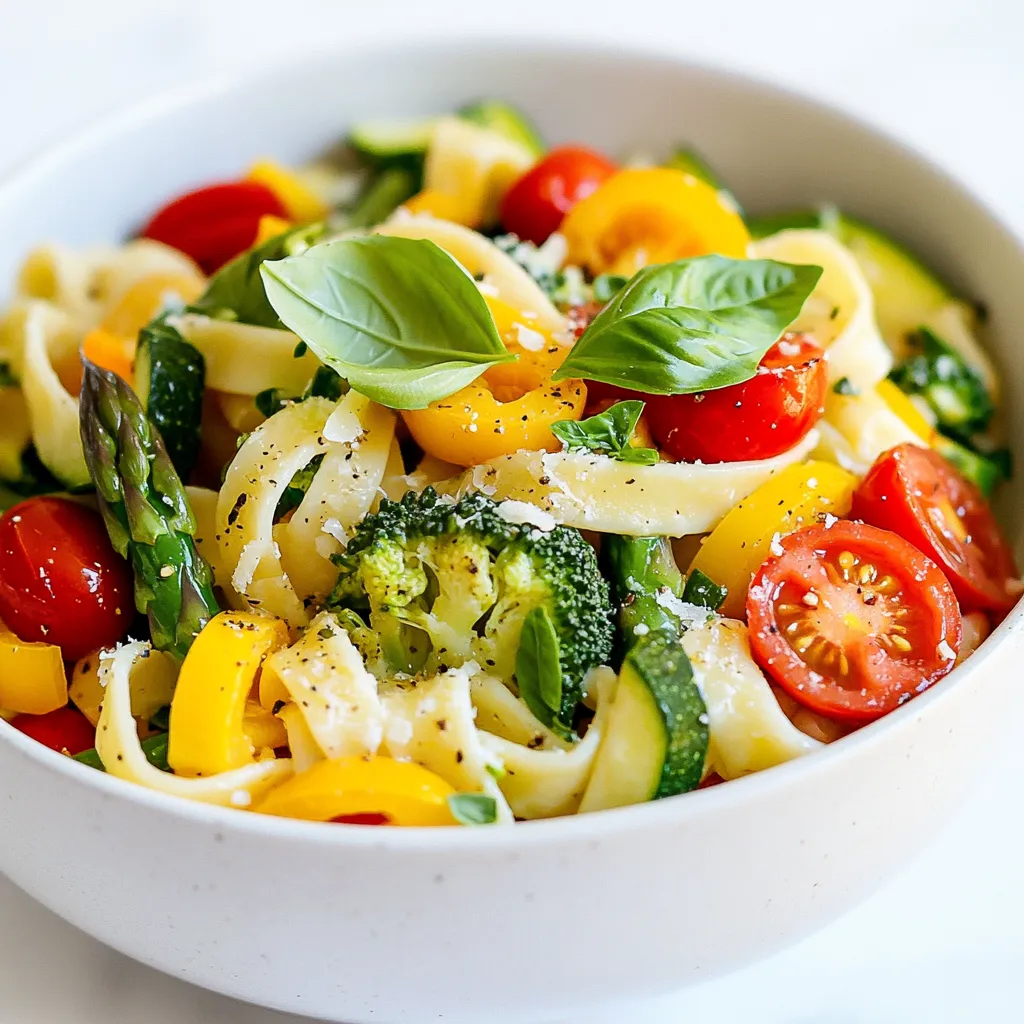
Are you ready to whip up a colorful and tasty dish? Classic Pasta Primavera is the answer! This easy recipe packs fresh veggies and simple steps for a meal everyone will love. Whether you’re cooking for family or just for yourself, this guide will show you how to create a flavorful pasta dish that looks as good as it tastes. Let’s dive into this delicious adventure together!

To make Classic Pasta Primavera, gather these simple ingredients: - 8 oz spaghetti or fettuccine - 2 tablespoons olive oil - 1 small onion, sliced - 2 cloves garlic, minced - 1 zucchini, sliced - 1 bell pepper (red or yellow), sliced - 1 cup cherry tomatoes, halved - 1 cup broccoli florets - 1 cup asparagus, cut into 2-inch pieces - 1 teaspoon Italian seasoning - Salt and pepper, to taste - ¼ cup grated Parmesan cheese (optional) - Fresh basil leaves for garnish (optional) These ingredients create a fresh and colorful dish. You can adjust the vegetables based on what you like or have. You can swap or add many ingredients. If you don’t have zucchini, try yellow squash. For the bell pepper, any color works. You can also use frozen vegetables if fresh ones aren’t available. Just thaw them first. If you want a creamier dish, add a splash of heavy cream. For a protein boost, toss in grilled chicken or shrimp. Fresh vegetables shine in this dish. They add vibrant colors and crisp textures. However, frozen vegetables can work too, especially if you’re short on time. They are often frozen at peak freshness, keeping many nutrients intact. If you use frozen veggies, cook them just until heated through. This way, they stay bright and tasty. Always remember, the goal is to enjoy every bite! {{ingredient_image_1}} Start by boiling a large pot of salted water. This helps the pasta taste great. Add 8 ounces of spaghetti or fettuccine to the water. Cook it until it is al dente, which means it’s firm but cooked through. This usually takes about 8 to 10 minutes. Once it’s done, drain the pasta in a colander, but save about ½ cup of that pasta water. This starchy water is a secret weapon for making your sauce creamy. In a large skillet, heat 2 tablespoons of olive oil over medium heat. Once hot, add a sliced small onion. Cook the onion for 3 to 4 minutes until it turns clear. Then, add 2 cloves of minced garlic and cook for 1 more minute. This makes your kitchen smell amazing! After that, toss in the sliced zucchini, bell pepper, halved cherry tomatoes, broccoli florets, and asparagus cut into 2-inch pieces. Sauté these veggies for about 5 to 7 minutes. You want them tender but still a bit crunchy. Season them with 1 teaspoon of Italian seasoning, plus salt and pepper to taste. Now, it’s time to bring everything together. Toss the drained pasta into the skillet with the cooked vegetables. Pour in some of that reserved pasta water a little at a time. This helps to create a light sauce that coats the pasta and veggies. Mix everything well until it’s hot and combined. If you like, sprinkle ¼ cup of grated Parmesan cheese over the pasta. Let it melt slightly. Serve your Pasta Primavera hot, and add fresh basil leaves on top for a touch of color and flavor. Enjoy your vibrant, veggie-filled dish! To make great pasta, start with plenty of water. Use a large pot and add salt. The water should taste like the sea. Bring it to a boil. Cook the spaghetti or fettuccine until al dente. This means the pasta should be firm to the bite. Drain the pasta but save some water. You will use this later for the sauce. Seasoning is key to great flavor in pasta primavera. Use Italian seasoning, salt, and pepper for a simple taste boost. Add them to the sautéed veggies. This will help the flavors mix well. If you want a cheesy touch, sprinkle grated Parmesan cheese at the end. It melts nicely and adds richness. You can make pasta primavera your own. Try different veggies based on what you like. Carrots, peas, or even spinach work well. Use fresh vegetables for the best taste, but frozen ones can work too. Just adjust cooking time to ensure all veggies are tender yet crisp. Add your favorite herbs for extra flavor, like basil or parsley. Pro Tips Use Seasonal Veggies: Opt for vegetables that are in season for the freshest flavors and best nutrition. Reserve Pasta Water: Always save some pasta cooking water; it helps to create a silky sauce that clings to the pasta. Don't Overcook Veggies: Sauté the vegetables just until tender-crisp to retain their vibrant color and nutrients. Add a Citrus Twist: A squeeze of lemon juice or zest at the end brightens the dish and enhances the flavors of the vegetables. {{image_2}} You can switch up your pasta game with many options. Try whole grain pasta for more fiber. Gluten-free pasta works well for those with gluten issues. Zoodles, or zucchini noodles, add freshness and cut carbs. You can even use rice noodles for a new twist. Pasta primavera shines with a variety of veggies. Green beans, snap peas, or carrots add color and crunch. For a twist, try adding spinach or kale. Seasonal vegetables, like squash in fall, make great choices too. Just keep the cooking time in mind so everything stays crisp. Pasta primavera is perfect for everyone. For a vegetarian dish, focus on fresh veggies and herbs. You can add protein by including chickpeas or tofu. If you want meat, grilled chicken or shrimp pairs nicely. Just cook them separately and mix them in. To store leftover Pasta Primavera, first let it cool. Place it in an airtight container. You can keep it in the fridge for up to three days. Make sure to cover it well to keep it fresh. If you want to store it longer, freezing is a good option. When you're ready to reheat, use a skillet for the best results. Add a splash of water or olive oil to help with moisture. Heat over medium-low heat, stirring gently. This method helps keep the veggies crisp and the pasta from drying out. You can also use a microwave if you’re in a hurry. Just add a little water and cover it. If you want to freeze Pasta Primavera, follow these steps. First, cool the pasta completely. Then, place it in a freezer-safe container. You can also use freezer bags for easy storage. Make sure to remove as much air as possible. Label the bags with the date. The pasta will stay good for about two months. To reheat, let it thaw in the fridge overnight before warming it up. Pasta Primavera is a fresh dish made with pasta and vegetables. It highlights the colors and flavors of fresh produce. You can use any pasta you like, such as spaghetti or fettuccine. The dish usually includes zucchini, bell peppers, and cherry tomatoes. It’s light, tasty, and perfect for a quick meal. Yes, you can make Pasta Primavera ahead of time. Cook the pasta and vegetables, then store them in the fridge. Keep the sauce separate to maintain freshness. When ready to eat, just reheat everything together. This makes it a great choice for meal prep! To make Pasta Primavera healthier, use whole grain pasta. Add more vegetables for extra nutrients. You can also reduce the olive oil or skip the cheese. This dish is very versatile, so feel free to swap in your favorite veggies. Enjoy a tasty meal without the extra calories! Pasta Primavera is a tasty dish with fresh ingredients you can customize. We explored key ingredients, from classic to optional swaps. Next, I walked you through cooking the pasta and veggies. I also shared tips for perfect texture and flavor. Don’t forget the variations to suit your taste. Finally, I covered how to store leftovers and answer common questions. Enjoy making Pasta Primavera your own! It’s easy and fun to create.

Why I Love This Recipe

  1. Fresh and Colorful: This pasta primavera is bursting with vibrant vegetables, making it not only delicious but also visually appealing.
  2. Quick and Easy: With a total time of just 25 minutes, this recipe is perfect for busy weeknights or last-minute dinners.
  3. Customizable: You can easily swap in your favorite veggies or whatever you have on hand, making it a versatile dish.
  4. Healthy and Nutritious: Packed with fresh vegetables and olive oil, this dish is a great way to incorporate more nutrients into your meal.

Ingredients

List of Ingredients for Classic Pasta Primavera

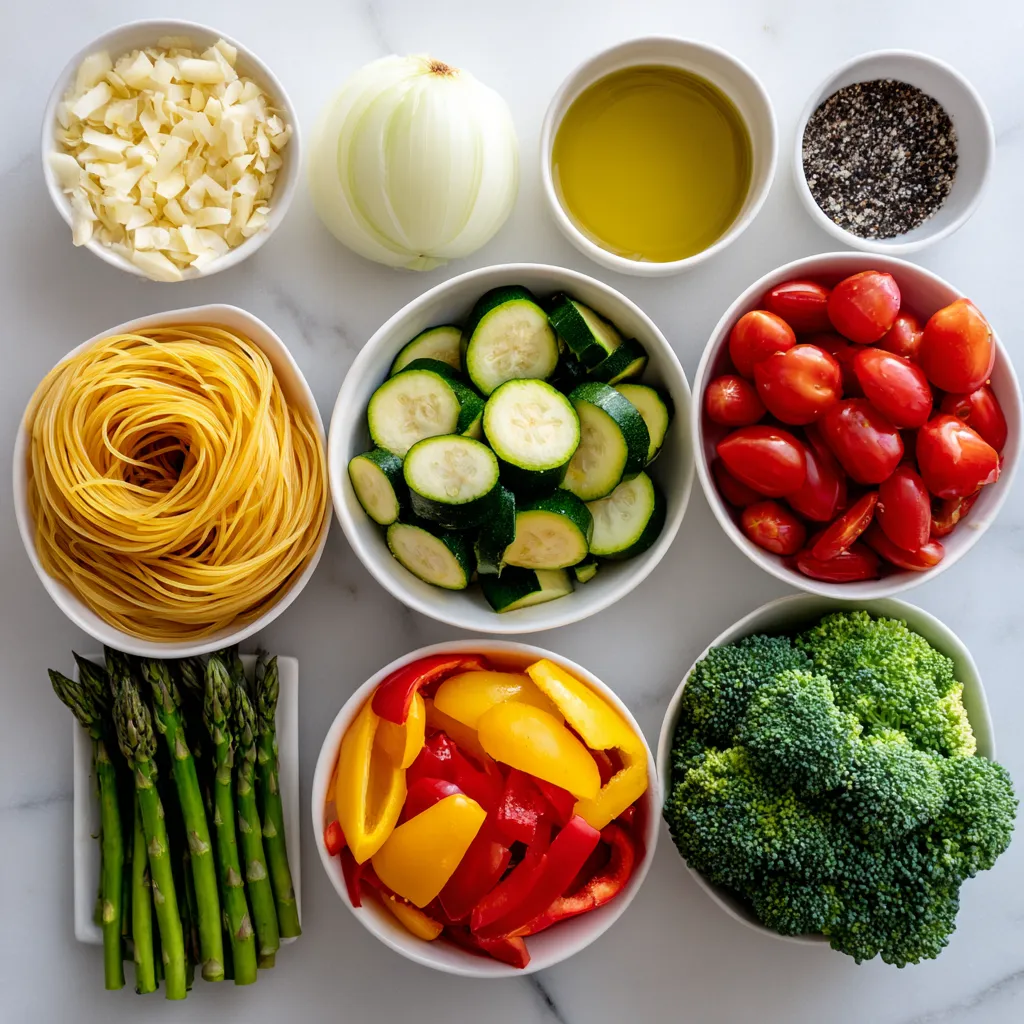
To make Classic Pasta Primavera, gather these simple ingredients:

– 8 oz spaghetti or fettuccine

– 2 tablespoons olive oil

– 1 small onion, sliced

– 2 cloves garlic, minced

– 1 zucchini, sliced

– 1 bell pepper (red or yellow), sliced

– 1 cup cherry tomatoes, halved

– 1 cup broccoli florets

– 1 cup asparagus, cut into 2-inch pieces

– 1 teaspoon Italian seasoning

– Salt and pepper, to taste

– ¼ cup grated Parmesan cheese (optional)

– Fresh basil leaves for garnish (optional)

These ingredients create a fresh and colorful dish. You can adjust the vegetables based on what you like or have.

Optional Ingredients and Substitutions

You can swap or add many ingredients. If you don’t have zucchini, try yellow squash. For the bell pepper, any color works. You can also use frozen vegetables if fresh ones aren’t available. Just thaw them first. If you want a creamier dish, add a splash of heavy cream. For a protein boost, toss in grilled chicken or shrimp.

Fresh vs. Frozen Vegetables

Fresh vegetables shine in this dish. They add vibrant colors and crisp textures. However, frozen vegetables can work too, especially if you’re short on time. They are often frozen at peak freshness, keeping many nutrients intact. If you use frozen veggies, cook them just until heated through. This way, they stay bright and tasty. Always remember, the goal is to enjoy every bite!
Step-by-Step Instructions

Preparing the Pasta

Start by boiling a large pot of salted water. This helps the pasta taste great. Add 8 ounces of spaghetti or fettuccine to the water. Cook it until it is al dente, which means it’s firm but cooked through. This usually takes about 8 to 10 minutes. Once it’s done, drain the pasta in a colander, but save about ½ cup of that pasta water. This starchy water is a secret weapon for making your sauce creamy.

Cooking the Vegetables

In a large skillet, heat 2 tablespoons of olive oil over medium heat. Once hot, add a sliced small onion. Cook the onion for 3 to 4 minutes until it turns clear. Then, add 2 cloves of minced garlic and cook for 1 more minute. This makes your kitchen smell amazing! After that, toss in the sliced zucchini, bell pepper, halved cherry tomatoes, broccoli florets, and asparagus cut into 2-inch pieces. Sauté these veggies for about 5 to 7 minutes. You want them tender but still a bit crunchy. Season them with 1 teaspoon of Italian seasoning, plus salt and pepper to taste.

Combining Ingredients for the Final Dish

Now, it’s time to bring everything together. Toss the drained pasta into the skillet with the cooked vegetables. Pour in some of that reserved pasta water a little at a time. This helps to create a light sauce that coats the pasta and veggies. Mix everything well until it’s hot and combined. If you like, sprinkle ¼ cup of grated Parmesan cheese over the pasta. Let it melt slightly. Serve your Pasta Primavera hot, and add fresh basil leaves on top for a touch of color and flavor. Enjoy your vibrant, veggie-filled dish!

Tips & Tricks

How to Achieve Perfectly Cooked Pasta

To make great pasta, start with plenty of water. Use a large pot and add salt. The water should taste like the sea. Bring it to a boil. Cook the spaghetti or fettuccine until al dente. This means the pasta should be firm to the bite. Drain the pasta but save some water. You will use this later for the sauce.

Seasoning Recommendations for Enhanced Flavor

Seasoning is key to great flavor in pasta primavera. Use Italian seasoning, salt, and pepper for a simple taste boost. Add them to the sautéed veggies. This will help the flavors mix well. If you want a cheesy touch, sprinkle grated Parmesan cheese at the end. It melts nicely and adds richness.

Ways to Customize the Vegetable Medley

You can make pasta primavera your own. Try different veggies based on what you like. Carrots, peas, or even spinach work well. Use fresh vegetables for the best taste, but frozen ones can work too. Just adjust cooking time to ensure all veggies are tender yet crisp. Add your favorite herbs for extra flavor, like basil or parsley.

Pro Tips

  1. Use Seasonal Veggies: Opt for vegetables that are in season for the freshest flavors and best nutrition.
  2. Reserve Pasta Water: Always save some pasta cooking water; it helps to create a silky sauce that clings to the pasta.
  3. Don’t Overcook Veggies: Sauté the vegetables just until tender-crisp to retain their vibrant color and nutrients.
  4. Add a Citrus Twist: A squeeze of lemon juice or zest at the end brightens the dish and enhances the flavors of the vegetables.

Variations

Alternative Pasta Choices

You can switch up your pasta game with many options. Try whole grain pasta for more fiber. Gluten-free pasta works well for those with gluten issues. Zoodles, or zucchini noodles, add freshness and cut carbs. You can even use rice noodles for a new twist.

Different Vegetable Combinations

Pasta primavera shines with a variety of veggies. Green beans, snap peas, or carrots add color and crunch. For a twist, try adding spinach or kale. Seasonal vegetables, like squash in fall, make great choices too. Just keep the cooking time in mind so everything stays crisp.

Vegetarian vs. Non-Vegetarian Adaptations

Pasta primavera is perfect for everyone. For a vegetarian dish, focus on fresh veggies and herbs. You can add protein by including chickpeas or tofu. If you want meat, grilled chicken or shrimp pairs nicely. Just cook them separately and mix them in.

Storage Info

How to Store Leftover Pasta Primavera

To store leftover Pasta Primavera, first let it cool. Place it in an airtight container. You can keep it in the fridge for up to three days. Make sure to cover it well to keep it fresh. If you want to store it longer, freezing is a good option.

Reheating Tips for Best Quality

When you’re ready to reheat, use a skillet for the best results. Add a splash of water or olive oil to help with moisture. Heat over medium-low heat, stirring gently. This method helps keep the veggies crisp and the pasta from drying out. You can also use a microwave if you’re in a hurry. Just add a little water and cover it.

Freezing Guidelines and Tips

If you want to freeze Pasta Primavera, follow these steps. First, cool the pasta completely. Then, place it in a freezer-safe container. You can also use freezer bags for easy storage. Make sure to remove as much air as possible. Label the bags with the date. The pasta will stay good for about two months. To reheat, let it thaw in the fridge overnight before warming it up.

FAQs

What is Pasta Primavera?

Pasta Primavera is a fresh dish made with pasta and vegetables. It highlights the colors and flavors of fresh produce. You can use any pasta you like, such as spaghetti or fettuccine. The dish usually includes zucchini, bell peppers, and cherry tomatoes. It’s light, tasty, and perfect for a quick meal.

Can I make Pasta Primavera ahead of time?

Yes, you can make Pasta Primavera ahead of time. Cook the pasta and vegetables, then store them in the fridge. Keep the sauce separate to maintain freshness. When ready to eat, just reheat everything together. This makes it a great choice for meal prep!

How can I make Pasta Primavera healthier?

To make Pasta Primavera healthier, use whole grain pasta. Add more vegetables for extra nutrients. You can also reduce the olive oil or skip the cheese. This dish is very versatile, so feel free to swap in your favorite veggies. Enjoy a tasty meal without the extra calories!

Pasta Primavera is a tasty dish with fresh ingredients you can customize. We explored key ingredients, from classic to optional swaps. Next, I walked you through cooking the pasta and veggies. I also shared tips for perfect texture and flavor. Don’t forget the variations to suit your taste. Finally, I covered how to store leftovers and answer common questions. Enjoy making Pasta Primavera your own! It’s easy and fun to creat
To make Classic Pasta Primavera, gather these simple ingredients: - 8 oz spaghetti or fettuccine - 2 tablespoons olive oil - 1 small onion, sliced - 2 cloves garlic, minced - 1 zucchini, sliced - 1 bell pepper (red or yellow), sliced - 1 cup cherry tomatoes, halved - 1 cup broccoli florets - 1 cup asparagus, cut into 2-inch pieces - 1 teaspoon Italian seasoning - Salt and pepper, to taste - ¼ cup grated Parmesan cheese (optional) - Fresh basil leaves for garnish (optional) These ingredients create a fresh and colorful dish. You can adjust the vegetables based on what you like or have. You can swap or add many ingredients. If you don’t have zucchini, try yellow squash. For the bell pepper, any color works. You can also use frozen vegetables if fresh ones aren’t available. Just thaw them first. If you want a creamier dish, add a splash of heavy cream. For a protein boost, toss in grilled chicken or shrimp. Fresh vegetables shine in this dish. They add vibrant colors and crisp textures. However, frozen vegetables can work too, especially if you’re short on time. They are often frozen at peak freshness, keeping many nutrients intact. If you use frozen veggies, cook them just until heated through. This way, they stay bright and tasty. Always remember, the goal is to enjoy every bite! {{ingredient_image_1}} Start by boiling a large pot of salted water. This helps the pasta taste great. Add 8 ounces of spaghetti or fettuccine to the water. Cook it until it is al dente, which means it’s firm but cooked through. This usually takes about 8 to 10 minutes. Once it’s done, drain the pasta in a colander, but save about ½ cup of that pasta water. This starchy water is a secret weapon for making your sauce creamy. In a large skillet, heat 2 tablespoons of olive oil over medium heat. Once hot, add a sliced small onion. Cook the onion for 3 to 4 minutes until it turns clear. Then, add 2 cloves of minced garlic and cook for 1 more minute. This makes your kitchen smell amazing! After that, toss in the sliced zucchini, bell pepper, halved cherry tomatoes, broccoli florets, and asparagus cut into 2-inch pieces. Sauté these veggies for about 5 to 7 minutes. You want them tender but still a bit crunchy. Season them with 1 teaspoon of Italian seasoning, plus salt and pepper to taste. Now, it’s time to bring everything together. Toss the drained pasta into the skillet with the cooked vegetables. Pour in some of that reserved pasta water a little at a time. This helps to create a light sauce that coats the pasta and veggies. Mix everything well until it’s hot and combined. If you like, sprinkle ¼ cup of grated Parmesan cheese over the pasta. Let it melt slightly. Serve your Pasta Primavera hot, and add fresh basil leaves on top for a touch of color and flavor. Enjoy your vibrant, veggie-filled dish! To make great pasta, start with plenty of water. Use a large pot and add salt. The water should taste like the sea. Bring it to a boil. Cook the spaghetti or fettuccine until al dente. This means the pasta should be firm to the bite. Drain the pasta but save some water. You will use this later for the sauce. Seasoning is key to great flavor in pasta primavera. Use Italian seasoning, salt, and pepper for a simple taste boost. Add them to the sautéed veggies. This will help the flavors mix well. If you want a cheesy touch, sprinkle grated Parmesan cheese at the end. It melts nicely and adds richness. You can make pasta primavera your own. Try different veggies based on what you like. Carrots, peas, or even spinach work well. Use fresh vegetables for the best taste, but frozen ones can work too. Just adjust cooking time to ensure all veggies are tender yet crisp. Add your favorite herbs for extra flavor, like basil or parsley. Pro Tips Use Seasonal Veggies: Opt for vegetables that are in season for the freshest flavors and best nutrition. Reserve Pasta Water: Always save some pasta cooking water; it helps to create a silky sauce that clings to the pasta. Don't Overcook Veggies: Sauté the vegetables just until tender-crisp to retain their vibrant color and nutrients. Add a Citrus Twist: A squeeze of lemon juice or zest at the end brightens the dish and enhances the flavors of the vegetables. {{image_2}} You can switch up your pasta game with many options. Try whole grain pasta for more fiber. Gluten-free pasta works well for those with gluten issues. Zoodles, or zucchini noodles, add freshness and cut carbs. You can even use rice noodles for a new twist. Pasta primavera shines with a variety of veggies. Green beans, snap peas, or carrots add color and crunch. For a twist, try adding spinach or kale. Seasonal vegetables, like squash in fall, make great choices too. Just keep the cooking time in mind so everything stays crisp. Pasta primavera is perfect for everyone. For a vegetarian dish, focus on fresh veggies and herbs. You can add protein by including chickpeas or tofu. If you want meat, grilled chicken or shrimp pairs nicely. Just cook them separately and mix them in. To store leftover Pasta Primavera, first let it cool. Place it in an airtight container. You can keep it in the fridge for up to three days. Make sure to cover it well to keep it fresh. If you want to store it longer, freezing is a good option. When you're ready to reheat, use a skillet for the best results. Add a splash of water or olive oil to help with moisture. Heat over medium-low heat, stirring gently. This method helps keep the veggies crisp and the pasta from drying out. You can also use a microwave if you’re in a hurry. Just add a little water and cover it. If you want to freeze Pasta Primavera, follow these steps. First, cool the pasta completely. Then, place it in a freezer-safe container. You can also use freezer bags for easy storage. Make sure to remove as much air as possible. Label the bags with the date. The pasta will stay good for about two months. To reheat, let it thaw in the fridge overnight before warming it up. Pasta Primavera is a fresh dish made with pasta and vegetables. It highlights the colors and flavors of fresh produce. You can use any pasta you like, such as spaghetti or fettuccine. The dish usually includes zucchini, bell peppers, and cherry tomatoes. It’s light, tasty, and perfect for a quick meal. Yes, you can make Pasta Primavera ahead of time. Cook the pasta and vegetables, then store them in the fridge. Keep the sauce separate to maintain freshness. When ready to eat, just reheat everything together. This makes it a great choice for meal prep! To make Pasta Primavera healthier, use whole grain pasta. Add more vegetables for extra nutrients. You can also reduce the olive oil or skip the cheese. This dish is very versatile, so feel free to swap in your favorite veggies. Enjoy a tasty meal without the extra calories! Pasta Primavera is a tasty dish with fresh ingredients you can customize. We explored key ingredients, from classic to optional swaps. Next, I walked you through cooking the pasta and veggies. I also shared tips for perfect texture and flavor. Don’t forget the variations to suit your taste. Finally, I covered how to store leftovers and answer common questions. Enjoy making Pasta Primavera your own! It’s easy and fun to create.

Vibrant Veggie Pasta Primavera

A colorful and healthy pasta dish loaded with fresh vegetables.
Prep Time 10 minutes
Cook Time 15 minutes
Total Time 25 minutes
Course Main Course
Cuisine Italian
Servings 4

Ingredients
  

  • 8 oz spaghetti or fettuccine
  • 2 tablespoons olive oil
  • 1 small onion, sliced
  • 2 cloves garlic, minced
  • 1 medium zucchini, sliced
  • 1 medium bell pepper (red or yellow), sliced
  • 1 cup cherry tomatoes, halved
  • 1 cup broccoli florets
  • 1 cup asparagus, cut into 2-inch pieces
  • 1 teaspoon Italian seasoning
  • to taste salt and pepper
  • 0.25 cup grated Parmesan cheese (optional)
  • as needed fresh basil leaves for garnish (optional)

Instructions
 

  • Bring a large pot of salted water to a boil. Cook the spaghetti or fettuccine according to the package instructions until al dente. Drain and set aside, reserving about ½ cup of pasta water.
  • In a large skillet, heat the olive oil over medium heat. Add the sliced onion and sauté for 3-4 minutes or until it becomes translucent.
  • Stir in the minced garlic and cook for an additional 1 minute until fragrant.
  • Add the zucchini, bell pepper, cherry tomatoes, broccoli, and asparagus to the skillet. Sauté the vegetables for about 5-7 minutes, stirring occasionally, until they are tender but still crisp.
  • Sprinkle Italian seasoning, salt, and pepper over the vegetables, mixing well to combine.
  • Toss the cooked pasta into the skillet with the vegetables, adding reserved pasta water a little at a time to help create a light sauce. Mix well until everything is coated and heated through.
  • If desired, sprinkle grated Parmesan cheese over the pasta, allowing it to melt slightly in the warm mixture.
  • Serve hot, garnished with fresh basil leaves if using.

Notes

Feel free to customize the vegetables based on your preference.
Keyword healthy, pasta, primavera, vegetarian

WANT TO SAVE THIS RECIPE?