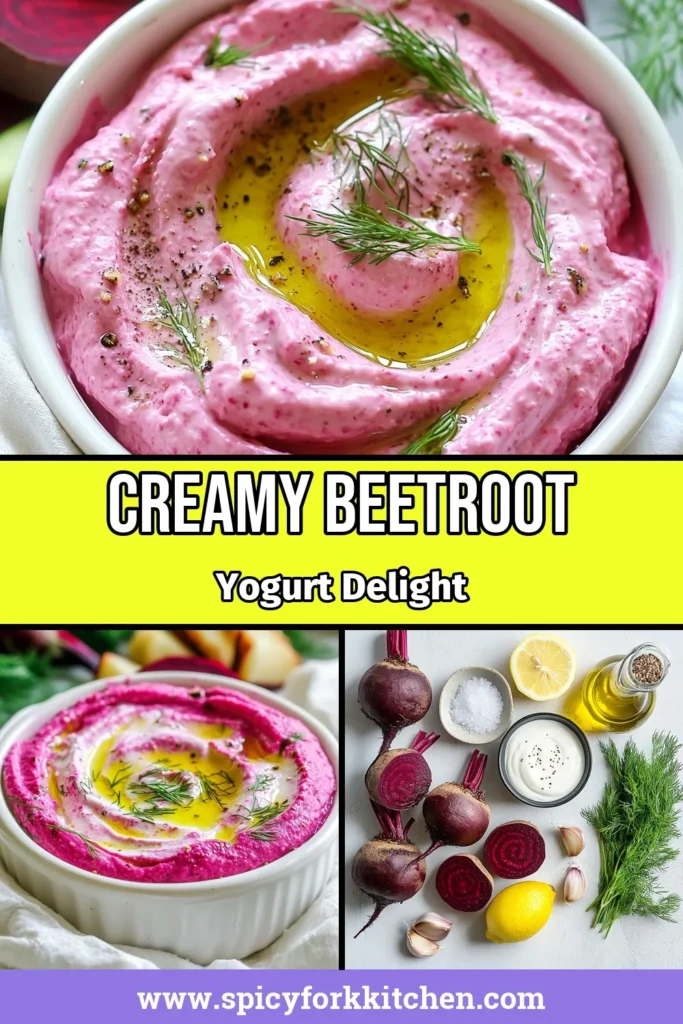
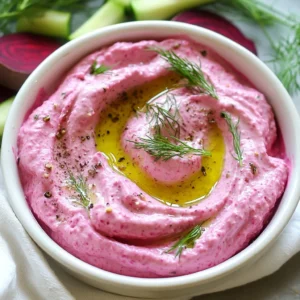
Greek Beetroot Yogurt Dip Flavorful and Simple Recipe

WANT TO SAVE THIS RECIPE?

If you’re looking to add a burst of color and flavor to your table, this Greek Beetroot Yogurt Dip is a must-try! It’s easy to make with simple ingredients, and it pairs well with so many snacks. Whether you’re hosting a party or just want a tasty treat, this dip will impress everyone. Let’s dive into the recipe and discover how to create this delightful dish step by step!

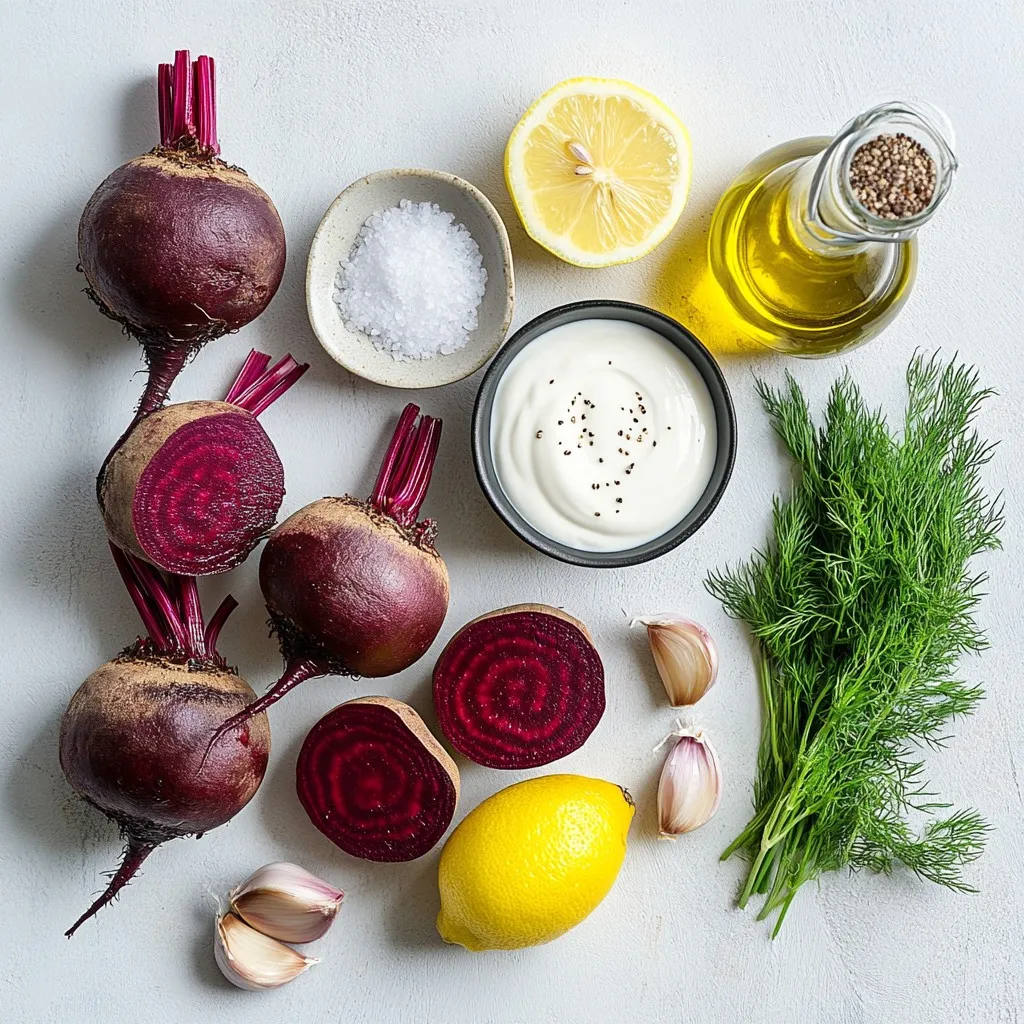
- 2 medium-sized beetroots, roasted and peeled - 1 cup Greek yogurt - 2 tablespoons tahini - 1 tablespoon lemon juice - 1 garlic clove, minced - Salt and black pepper to taste - 1 tablespoon olive oil (for drizzling) - Fresh dill or parsley, chopped (for garnish) The beetroots give the dip a vibrant color and a sweet, earthy flavor. They're the star of this dish. Greek yogurt adds creaminess and tang. It makes the dip smooth and rich. Tahini brings a nutty taste and depth. It enhances the flavor profile nicely. Lemon juice adds brightness and balances the sweetness of the beets. Garlic gives a hint of spice and a savory note. Salt and black pepper round out the flavors, making them pop. Olive oil adds a lovely finish when drizzled on top. Finally, fresh dill or parsley adds freshness and a pop of color. You can use any yogurt if you can't find Greek yogurt. Plain yogurt will work in a pinch. For tahini, try using peanut butter or almond butter for a different flavor. If you want less tang, skip the lemon juice. Instead, add a splash of vinegar for a milder taste. Fresh herbs can be swapped out for dried ones, but use less since dried herbs are stronger. You can also leave out the garlic if you prefer a milder dip. {{ingredient_image_1}} First, you need to roast the beetroots. Preheat your oven to 400°F (200°C). Take the beetroots and wrap them in aluminum foil. Place them on a baking tray. Roast for about 45 to 60 minutes. They are done when a fork goes in easily. After roasting, let them cool down. Once cool, peel off the skin and chop them into chunks. This step makes the beets sweet and soft. Now, let’s make the dip! In a food processor, add the roasted beetroots. Next, pour in one cup of Greek yogurt. Add two tablespoons of tahini for a nutty taste. Squeeze in one tablespoon of lemon juice for brightness. Toss in one minced garlic clove. Season with salt and black pepper to taste. Blend it all together until it is nice and smooth. If you want, taste and adjust the seasoning. Once blended, transfer the dip to a serving bowl. Drizzle one tablespoon of olive oil on top. This adds richness and looks great! Now, for a fresh touch, garnish with chopped dill or parsley. Serve the dip chilled or at room temperature. It goes well with pita bread, veggie sticks, or as part of a mezze platter. Enjoy this vibrant and tasty dip with friends! To roast beetroots, start by preheating your oven to 400°F (200°C). Wrap each beetroot in aluminum foil. This keeps them moist while cooking. Roast them for 45 to 60 minutes. Check for doneness by piercing them with a fork. They should feel soft. Once done, let them cool before peeling. The skin comes off easily when cool. Chop the beetroots into small chunks for blending. This dip is very flexible. You can tweak the taste to fit your style. If you like it tangy, add more lemon juice. For a richer taste, increase the tahini. If you want a kick, add more minced garlic or some chili flakes. Always taste as you go. This way, you can find the perfect balance just for you. After enjoying your dip, store any leftovers in an airtight container. It will keep well in the fridge for up to three days. Before serving again, stir it to mix the flavors. You can also drizzle a bit of olive oil on top for freshness. If you want to prepare it in advance, make it a day before your event. This dip tastes even better when the flavors meld. Pro Tips Roasting Beetroots: For a more intense flavor, try roasting the beetroots a day in advance and storing them in the refrigerator. This allows the flavors to deepen. Texture Adjustment: If you prefer a chunkier dip, pulse the ingredients in the food processor instead of blending them until completely smooth. Fresh Herbs: Experiment with different herbs like mint or cilantro for a unique twist on the classic flavor profile. Serving Suggestions: Pair this dip with a variety of dippers, such as pita chips, fresh vegetables, or spread it on sandwiches for a flavorful addition. {{image_2}} You can spice up the Greek beetroot yogurt dip. Try adding cumin or smoked paprika. A pinch of cayenne gives it a nice kick. You can also add some fresh herbs like mint or basil for more depth. Just mix the spices into the dip after blending. Taste it as you go to find your perfect balance. Greek yogurt is thick and creamy, but other options work too. You can use regular yogurt for a lighter dip. Plant-based yogurt is great if you need a vegan option. Coconut yogurt adds a sweet twist. Just keep the flavor in mind when you choose. Each yogurt will change the dip's taste a bit. Think beyond the bowl when serving this dip. Pair it with pita chips for a crunchy bite. Fresh veggie sticks like carrots and cucumbers make it colorful. You can also use it as a spread on sandwiches or wraps. For a fun twist, add this dip to a mezze platter with olives and cheeses. It makes for a beautiful and tasty spread that everyone will love! To keep your Greek beetroot yogurt dip fresh, store it in an airtight container. Make sure the dip is cool before sealing the container. This helps prevent moisture build-up. Place it in the fridge right after serving. It stays best at a temperature of 38°F (3°C) or lower. Always use a clean spoon to scoop out the dip to avoid bacteria. I do not recommend freezing this dip. Freezing can change the texture of the yogurt. The dip may become watery and lose its creaminess. If you have leftovers, it is best to enjoy them fresh. This dip lasts about 5 to 7 days in the fridge. Always check for signs of spoilage before eating. Look for changes in color, smell, or texture. If the dip has an off smell or looks slimy, it is best to throw it away. For the best taste, enjoy it within the first few days. Yes, you can use canned beets. Canned beets save time and are easy to find. They are already cooked, so you can skip the roasting step. Just drain and rinse them before blending. The flavor will be milder but still good. Fresh beets have a stronger taste and better texture. If you prefer, try mixing both for a unique twist. This dip is very versatile. It goes well with pita bread or crunchy veggie sticks. You can serve it with grilled meats or fish too. It makes a great addition to a mezze platter. Pair it with olives, hummus, and feta cheese for more flavor. You can even spread it on sandwiches for a twist. No, this dip is not vegan because it contains Greek yogurt. However, you can make it vegan by using a plant-based yogurt. Almond, coconut, or soy yogurt works well. The taste may change slightly, but it will still be delicious. Just ensure the yogurt you choose is unsweetened to keep the flavor balanced. We covered how to make a tasty Greek Beetroot Yogurt Dip. You learned about the key ingredients and their roles. We discussed steps for roasting and blending, plus serving ideas. I shared tips for perfect roasting and how to store leftovers. You also found ways to spice up the dip, with alternatives for yogurt and serving suggestions. This dip is not just easy to make, but versatile too. Enjoy experimenting with flavors and making this dish your own!

Why I Love This Recipe

  1. Vibrant Flavor: This dip boasts a beautiful blend of earthy beetroot and creamy yogurt, creating a deliciously unique flavor profile.
  2. Healthy Ingredients: Packed with nutritious elements like Greek yogurt and tahini, this dip is both wholesome and satisfying.
  3. Versatile Serving Options: Perfect for parties, it pairs wonderfully with pita, veggie sticks, or can serve as a colorful addition to any mezze platter.
  4. Easy to Make: With just a few simple steps, you can whip up this stunning dip in no time, making it ideal for any occasion.

Ingredients

List of Ingredients

– 2 medium-sized beetroots, roasted and peeled

– 1 cup Greek yogurt

– 2 tablespoons tahini

– 1 tablespoon lemon juice

– 1 garlic clove, minced

– Salt and black pepper to taste

– 1 tablespoon olive oil (for drizzling)

– Fresh dill or parsley, chopped (for garnish)

Importance of Each Ingredient

The beetroots give the dip a vibrant color and a sweet, earthy flavor. They’re the star of this dish. Greek yogurt adds creaminess and tang. It makes the dip smooth and rich. Tahini brings a nutty taste and depth. It enhances the flavor profile nicely. Lemon juice adds brightness and balances the sweetness of the beets. Garlic gives a hint of spice and a savory note. Salt and black pepper round out the flavors, making them pop. Olive oil adds a lovely finish when drizzled on top. Finally, fresh dill or parsley adds freshness and a pop of color.

Substitutions for Common Ingredients

You can use any yogurt if you can’t find Greek yogurt. Plain yogurt will work in a pinch. For tahini, try using peanut butter or almond butter for a different flavor. If you want less tang, skip the lemon juice. Instead, add a splash of vinegar for a milder taste. Fresh herbs can be swapped out for dried ones, but use less since dried herbs are stronger. You can also leave out the garlic if you prefer a milder dip.

Step-by-Step Instructions

Preparation Steps for Roasting Beetroots

First, you need to roast the beetroots. Preheat your oven to 400°F (200°C). Take the beetroots and wrap them in aluminum foil. Place them on a baking tray. Roast for about 45 to 60 minutes. They are done when a fork goes in easily. After roasting, let them cool down. Once cool, peel off the skin and chop them into chunks. This step makes the beets sweet and soft.

Blending the Dip Ingredients

Now, let’s make the dip! In a food processor, add the roasted beetroots. Next, pour in one cup of Greek yogurt. Add two tablespoons of tahini for a nutty taste. Squeeze in one tablespoon of lemon juice for brightness. Toss in one minced garlic clove. Season with salt and black pepper to taste. Blend it all together until it is nice and smooth. If you want, taste and adjust the seasoning.

Final Touches and Serving Suggestions

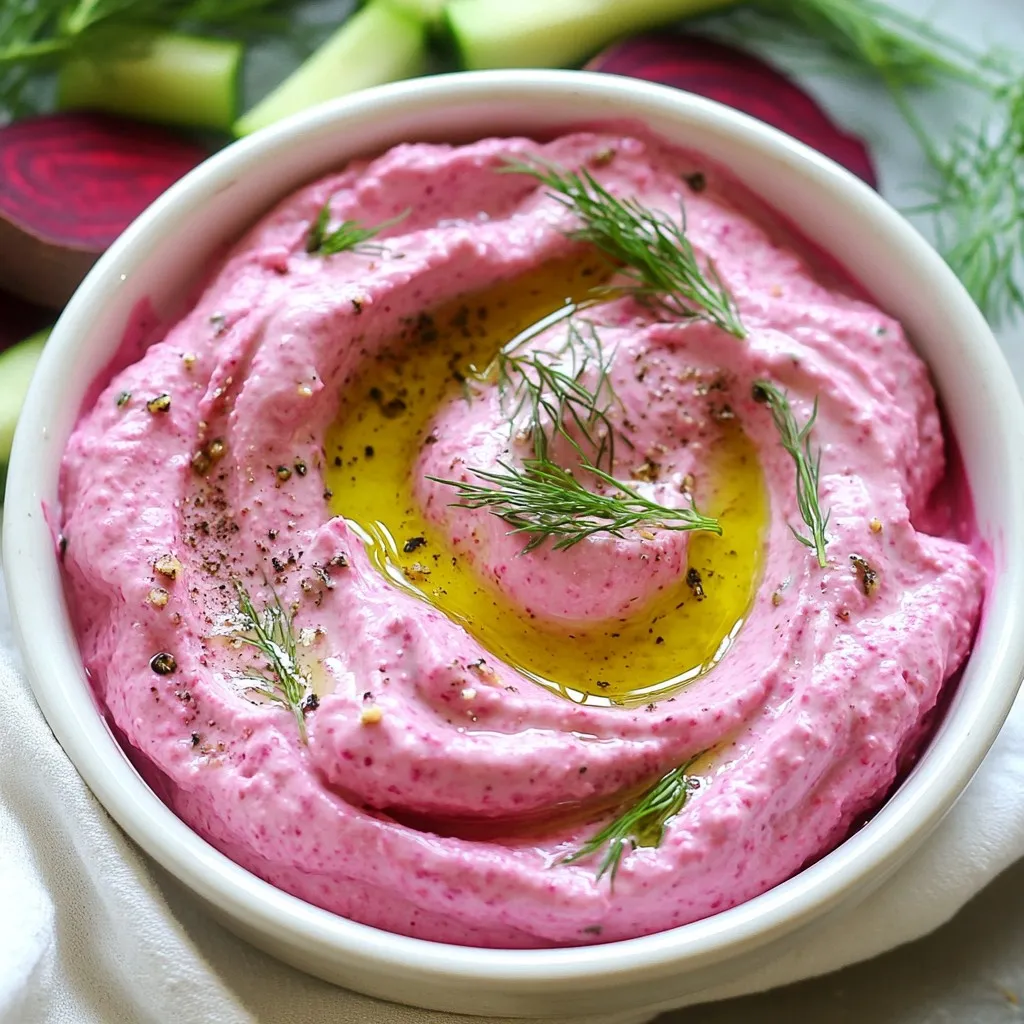
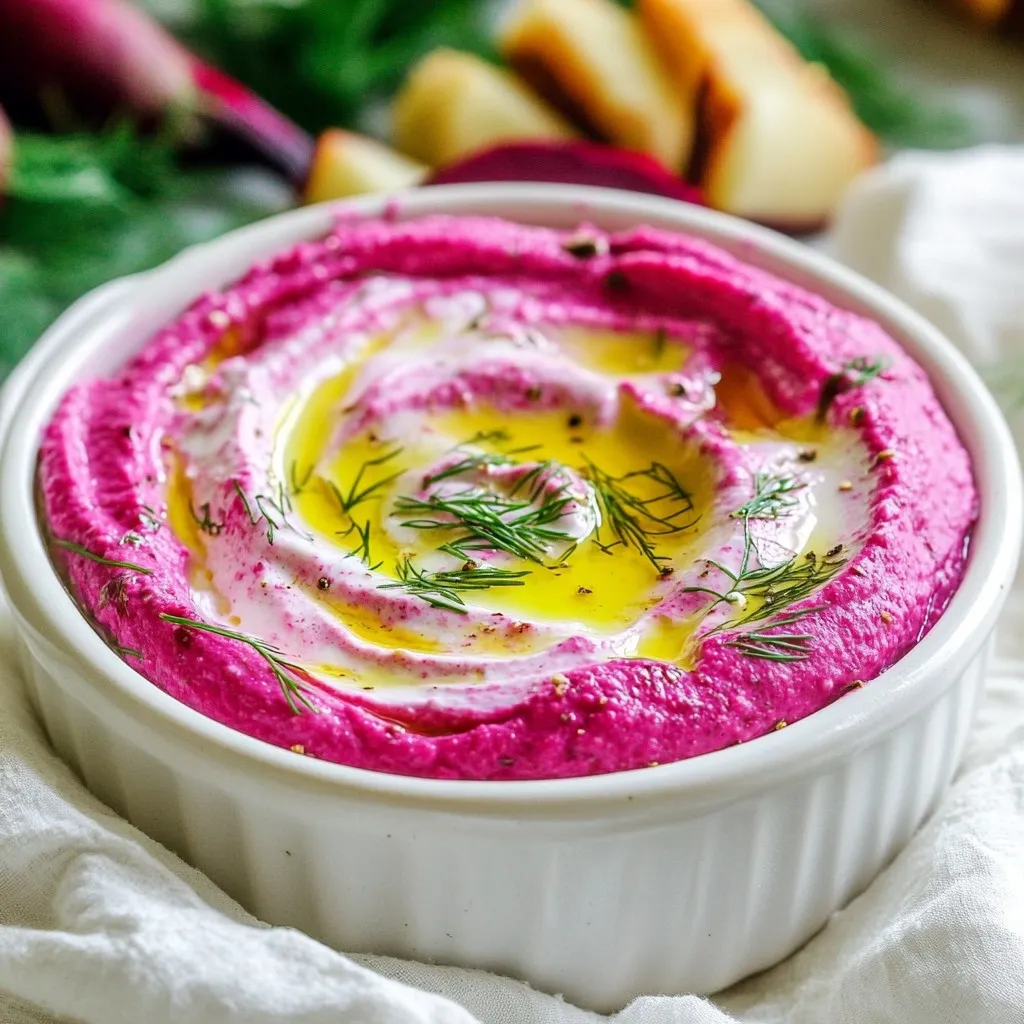
Once blended, transfer the dip to a serving bowl. Drizzle one tablespoon of olive oil on top. This adds richness and looks great! Now, for a fresh touch, garnish with chopped dill or parsley. Serve the dip chilled or at room temperature. It goes well with pita bread, veggie sticks, or as part of a mezze platter. Enjoy this vibrant and tasty dip with friends!

Tips & Tricks

How to Roast Beetroots Perfectly

To roast beetroots, start by preheating your oven to 400°F (200°C). Wrap each beetroot in aluminum foil. This keeps them moist while cooking. Roast them for 45 to 60 minutes. Check for doneness by piercing them with a fork. They should feel soft. Once done, let them cool before peeling. The skin comes off easily when cool. Chop the beetroots into small chunks for blending.

Adjusting Flavor Profiles

This dip is very flexible. You can tweak the taste to fit your style. If you like it tangy, add more lemon juice. For a richer taste, increase the tahini. If you want a kick, add more minced garlic or some chili flakes. Always taste as you go. This way, you can find the perfect balance just for you.

Storage Tips for Leftovers

After enjoying your dip, store any leftovers in an airtight container. It will keep well in the fridge for up to three days. Before serving again, stir it to mix the flavors. You can also drizzle a bit of olive oil on top for freshness. If you want to prepare it in advance, make it a day before your event. This dip tastes even better when the flavors meld.

Pro Tips

  1. Roasting Beetroots: For a more intense flavor, try roasting the beetroots a day in advance and storing them in the refrigerator. This allows the flavors to deepen.
  2. Texture Adjustment: If you prefer a chunkier dip, pulse the ingredients in the food processor instead of blending them until completely smooth.
  3. Fresh Herbs: Experiment with different herbs like mint or cilantro for a unique twist on the classic flavor profile.
  4. Serving Suggestions: Pair this dip with a variety of dippers, such as pita chips, fresh vegetables, or spread it on sandwiches for a flavorful addition.

Variations

Adding Spices for Extra Flavor

You can spice up the Greek beetroot yogurt dip. Try adding cumin or smoked paprika. A pinch of cayenne gives it a nice kick. You can also add some fresh herbs like mint or basil for more depth. Just mix the spices into the dip after blending. Taste it as you go to find your perfect balance.

Alternative Yogurt Options

Greek yogurt is thick and creamy, but other options work too. You can use regular yogurt for a lighter dip. Plant-based yogurt is great if you need a vegan option. Coconut yogurt adds a sweet twist. Just keep the flavor in mind when you choose. Each yogurt will change the dip’s taste a bit.

Creative Serving Ideas

Think beyond the bowl when serving this dip. Pair it with pita chips for a crunchy bite. Fresh veggie sticks like carrots and cucumbers make it colorful. You can also use it as a spread on sandwiches or wraps. For a fun twist, add this dip to a mezze platter with olives and cheeses. It makes for a beautiful and tasty spread that everyone will love!

Storage Info

Best Practices for Refrigeration

To keep your Greek beetroot yogurt dip fresh, store it in an airtight container. Make sure the dip is cool before sealing the container. This helps prevent moisture build-up. Place it in the fridge right after serving. It stays best at a temperature of 38°F (3°C) or lower. Always use a clean spoon to scoop out the dip to avoid bacteria.

Freezing the Dip: Yes or No?

I do not recommend freezing this dip. Freezing can change the texture of the yogurt. The dip may become watery and lose its creaminess. If you have leftovers, it is best to enjoy them fresh.

Shelf Life and Signs of Spoilage

This dip lasts about 5 to 7 days in the fridge. Always check for signs of spoilage before eating. Look for changes in color, smell, or texture. If the dip has an off smell or looks slimy, it is best to throw it away. For the best taste, enjoy it within the first few days.

FAQs

Can I use canned beets instead of fresh?

Yes, you can use canned beets. Canned beets save time and are easy to find. They are already cooked, so you can skip the roasting step. Just drain and rinse them before blending. The flavor will be milder but still good. Fresh beets have a stronger taste and better texture. If you prefer, try mixing both for a unique twist.

What dishes pair well with Greek Beetroot Yogurt Dip?

This dip is very versatile. It goes well with pita bread or crunchy veggie sticks. You can serve it with grilled meats or fish too. It makes a great addition to a mezze platter. Pair it with olives, hummus, and feta cheese for more flavor. You can even spread it on sandwiches for a twist.

Is this dip vegan-friendly?

No, this dip is not vegan because it contains Greek yogurt. However, you can make it vegan by using a plant-based yogurt. Almond, coconut, or soy yogurt works well. The taste may change slightly, but it will still be delicious. Just ensure the yogurt you choose is unsweetened to keep the flavor balanced.

We covered how to make a tasty Greek Beetroot Yogurt Dip. You learned about the key ingredients and their roles. We discussed steps for roasting and blending, plus serving ideas. I shared tips for perfect roasting and how to store leftovers. You also found ways to spice up the dip, with alternatives for yogurt and serving suggestions. This dip is not just easy to make, but versatile too. Enjoy experimenting with flavors and making this dish your ow

- 2 medium-sized beetroots, roasted and peeled - 1 cup Greek yogurt - 2 tablespoons tahini - 1 tablespoon lemon juice - 1 garlic clove, minced - Salt and black pepper to taste - 1 tablespoon olive oil (for drizzling) - Fresh dill or parsley, chopped (for garnish) The beetroots give the dip a vibrant color and a sweet, earthy flavor. They're the star of this dish. Greek yogurt adds creaminess and tang. It makes the dip smooth and rich. Tahini brings a nutty taste and depth. It enhances the flavor profile nicely. Lemon juice adds brightness and balances the sweetness of the beets. Garlic gives a hint of spice and a savory note. Salt and black pepper round out the flavors, making them pop. Olive oil adds a lovely finish when drizzled on top. Finally, fresh dill or parsley adds freshness and a pop of color. You can use any yogurt if you can't find Greek yogurt. Plain yogurt will work in a pinch. For tahini, try using peanut butter or almond butter for a different flavor. If you want less tang, skip the lemon juice. Instead, add a splash of vinegar for a milder taste. Fresh herbs can be swapped out for dried ones, but use less since dried herbs are stronger. You can also leave out the garlic if you prefer a milder dip. {{ingredient_image_1}} First, you need to roast the beetroots. Preheat your oven to 400°F (200°C). Take the beetroots and wrap them in aluminum foil. Place them on a baking tray. Roast for about 45 to 60 minutes. They are done when a fork goes in easily. After roasting, let them cool down. Once cool, peel off the skin and chop them into chunks. This step makes the beets sweet and soft. Now, let’s make the dip! In a food processor, add the roasted beetroots. Next, pour in one cup of Greek yogurt. Add two tablespoons of tahini for a nutty taste. Squeeze in one tablespoon of lemon juice for brightness. Toss in one minced garlic clove. Season with salt and black pepper to taste. Blend it all together until it is nice and smooth. If you want, taste and adjust the seasoning. Once blended, transfer the dip to a serving bowl. Drizzle one tablespoon of olive oil on top. This adds richness and looks great! Now, for a fresh touch, garnish with chopped dill or parsley. Serve the dip chilled or at room temperature. It goes well with pita bread, veggie sticks, or as part of a mezze platter. Enjoy this vibrant and tasty dip with friends! To roast beetroots, start by preheating your oven to 400°F (200°C). Wrap each beetroot in aluminum foil. This keeps them moist while cooking. Roast them for 45 to 60 minutes. Check for doneness by piercing them with a fork. They should feel soft. Once done, let them cool before peeling. The skin comes off easily when cool. Chop the beetroots into small chunks for blending. This dip is very flexible. You can tweak the taste to fit your style. If you like it tangy, add more lemon juice. For a richer taste, increase the tahini. If you want a kick, add more minced garlic or some chili flakes. Always taste as you go. This way, you can find the perfect balance just for you. After enjoying your dip, store any leftovers in an airtight container. It will keep well in the fridge for up to three days. Before serving again, stir it to mix the flavors. You can also drizzle a bit of olive oil on top for freshness. If you want to prepare it in advance, make it a day before your event. This dip tastes even better when the flavors meld. Pro Tips Roasting Beetroots: For a more intense flavor, try roasting the beetroots a day in advance and storing them in the refrigerator. This allows the flavors to deepen. Texture Adjustment: If you prefer a chunkier dip, pulse the ingredients in the food processor instead of blending them until completely smooth. Fresh Herbs: Experiment with different herbs like mint or cilantro for a unique twist on the classic flavor profile. Serving Suggestions: Pair this dip with a variety of dippers, such as pita chips, fresh vegetables, or spread it on sandwiches for a flavorful addition. {{image_2}} You can spice up the Greek beetroot yogurt dip. Try adding cumin or smoked paprika. A pinch of cayenne gives it a nice kick. You can also add some fresh herbs like mint or basil for more depth. Just mix the spices into the dip after blending. Taste it as you go to find your perfect balance. Greek yogurt is thick and creamy, but other options work too. You can use regular yogurt for a lighter dip. Plant-based yogurt is great if you need a vegan option. Coconut yogurt adds a sweet twist. Just keep the flavor in mind when you choose. Each yogurt will change the dip's taste a bit. Think beyond the bowl when serving this dip. Pair it with pita chips for a crunchy bite. Fresh veggie sticks like carrots and cucumbers make it colorful. You can also use it as a spread on sandwiches or wraps. For a fun twist, add this dip to a mezze platter with olives and cheeses. It makes for a beautiful and tasty spread that everyone will love! To keep your Greek beetroot yogurt dip fresh, store it in an airtight container. Make sure the dip is cool before sealing the container. This helps prevent moisture build-up. Place it in the fridge right after serving. It stays best at a temperature of 38°F (3°C) or lower. Always use a clean spoon to scoop out the dip to avoid bacteria. I do not recommend freezing this dip. Freezing can change the texture of the yogurt. The dip may become watery and lose its creaminess. If you have leftovers, it is best to enjoy them fresh. This dip lasts about 5 to 7 days in the fridge. Always check for signs of spoilage before eating. Look for changes in color, smell, or texture. If the dip has an off smell or looks slimy, it is best to throw it away. For the best taste, enjoy it within the first few days. Yes, you can use canned beets. Canned beets save time and are easy to find. They are already cooked, so you can skip the roasting step. Just drain and rinse them before blending. The flavor will be milder but still good. Fresh beets have a stronger taste and better texture. If you prefer, try mixing both for a unique twist. This dip is very versatile. It goes well with pita bread or crunchy veggie sticks. You can serve it with grilled meats or fish too. It makes a great addition to a mezze platter. Pair it with olives, hummus, and feta cheese for more flavor. You can even spread it on sandwiches for a twist. No, this dip is not vegan because it contains Greek yogurt. However, you can make it vegan by using a plant-based yogurt. Almond, coconut, or soy yogurt works well. The taste may change slightly, but it will still be delicious. Just ensure the yogurt you choose is unsweetened to keep the flavor balanced. We covered how to make a tasty Greek Beetroot Yogurt Dip. You learned about the key ingredients and their roles. We discussed steps for roasting and blending, plus serving ideas. I shared tips for perfect roasting and how to store leftovers. You also found ways to spice up the dip, with alternatives for yogurt and serving suggestions. This dip is not just easy to make, but versatile too. Enjoy experimenting with flavors and making this dish your own!

Greek Beetroot Yogurt Dip

A creamy and flavorful dip made with roasted beetroots and Greek yogurt, perfect for serving with pita bread or veggies.
Prep Time 15 minutes
Cook Time 1 hour
Total Time 1 hour 15 minutes
Course Appetizer
Cuisine Greek
Servings 4
Calories 150 kcal

Ingredients
  

  • 2 medium-sized beetroots, roasted and peeled
  • 1 cup Greek yogurt
  • 2 tablespoons tahini
  • 1 tablespoon lemon juice
  • 1 clove garlic, minced
  • to taste Salt and black pepper
  • 1 tablespoon olive oil (for drizzling)
  • to taste Fresh dill or parsley, chopped (for garnish)

Instructions
 

  • Start by roasting the beetroots. Preheat your oven to 400°F (200°C). Wrap the beetroots in aluminum foil and roast for about 45-60 minutes, or until they're tender when pierced with a fork. Let them cool, then peel and chop into chunks.
  • In a food processor, combine the roasted beetroots, Greek yogurt, tahini, lemon juice, minced garlic, salt, and black pepper. Blend until smooth and creamy. You can adjust the seasoning to your taste.
  • Once blended, transfer the dip to a serving bowl. Drizzle olive oil on top for added richness and a beautiful finish.
  • Garnish with chopped fresh dill or parsley to add a pop of color and freshness.
  • Serve chilled or at room temperature with pita bread, veggie sticks, or as part of a mezze platter.

Notes

Serve chilled or at room temperature for best flavor.
Keyword beetroot dip, Greek cuisine, yogurt dip

WANT TO SAVE THIS RECIPE?