WANT TO SAVE THIS RECIPE?
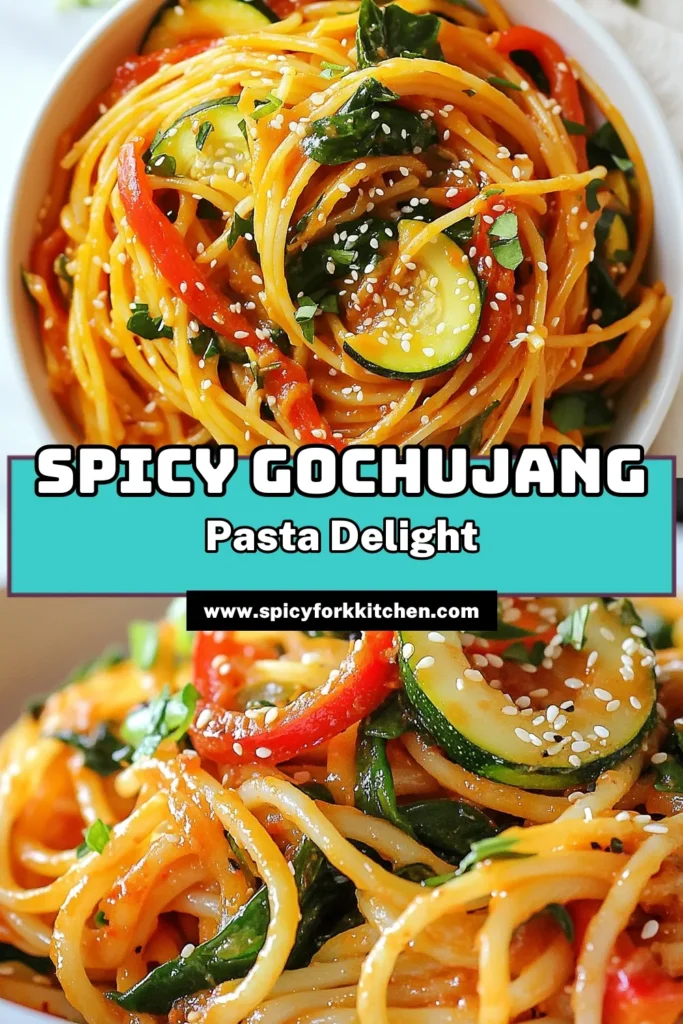
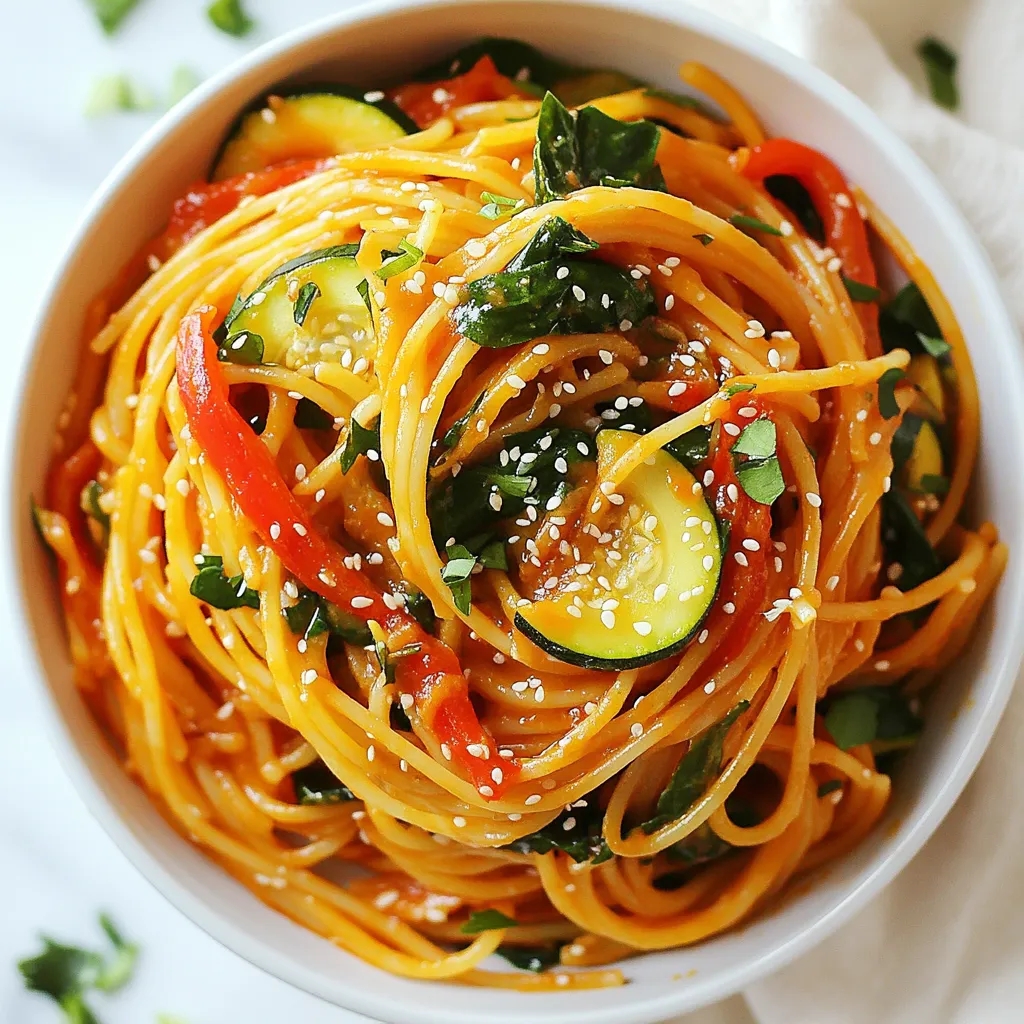
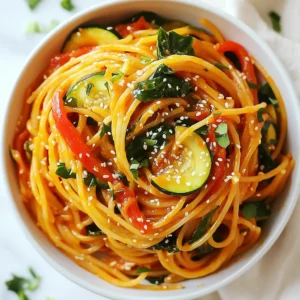
Are you ready to spice up your dinner routine? Gochujang Pasta is an easy weeknight meal that packs bold flavors into a simple dish. With just a few ingredients and quick steps, you can impress your family and friends. Plus, you’ll enjoy the unique taste of gochujang, a Korean chili paste that brings heat and depth. Let’s dive into making this tasty and satisfying pasta!

Why I Love This Recipe
- Bold Flavors: This pasta dish packs a punch with the spicy and savory notes of gochujang, making it a unique and exciting meal.
- Quick and Easy: With a prep time of just 10 minutes, this recipe is perfect for busy weeknights when you need a delicious meal in a hurry.
- Healthy Ingredients: Loaded with vibrant vegetables like spinach, bell peppers, and zucchini, this pasta is not only tasty but also nutritious.
- Customizable: You can easily adjust the level of spiciness and sweetness to suit your taste, making it a versatile dish for everyone.
Ingredients
List of Ingredients
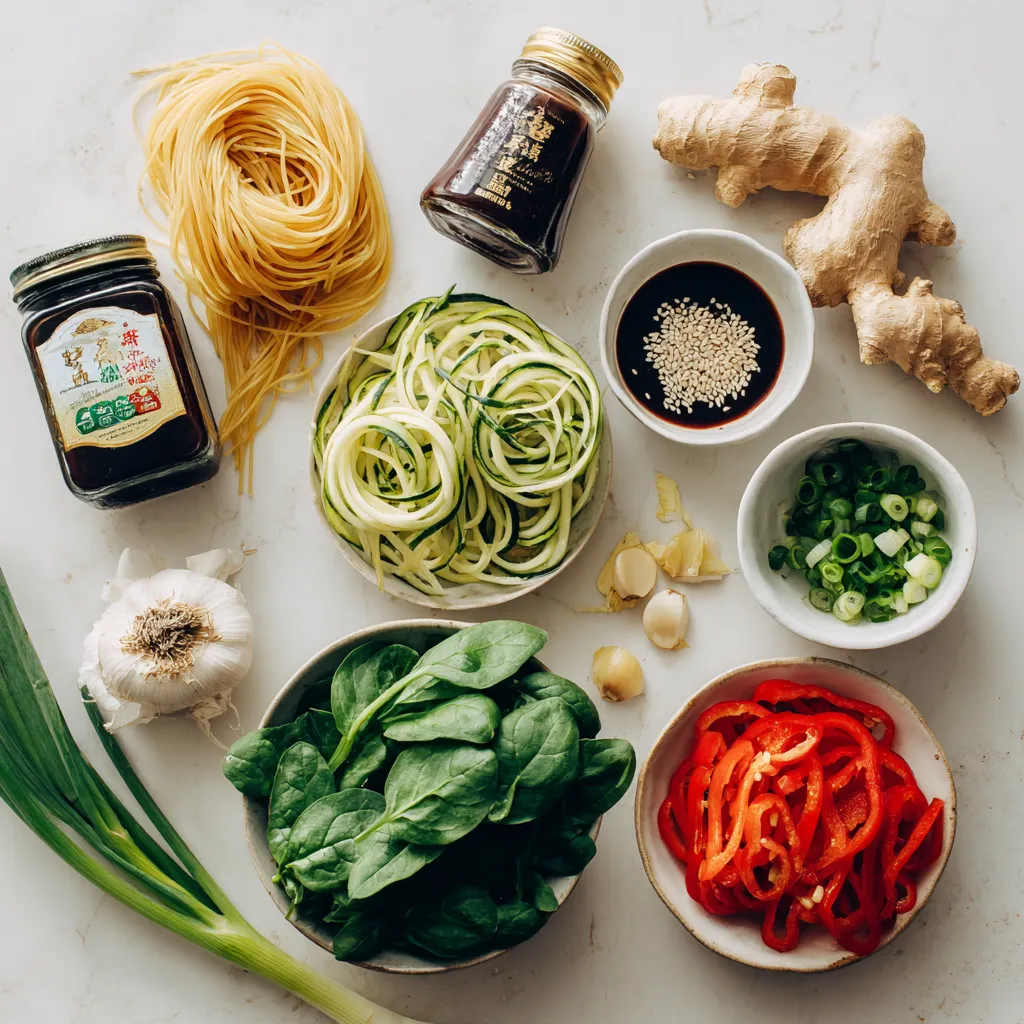
To make spicy gochujang pasta, you will need the following ingredients:
– 8 oz spaghetti or your preferred pasta
– 2 tablespoons gochujang (Korean chili paste)
– 1 tablespoon sesame oil
– 1 tablespoon soy sauce
– 1 tablespoon honey or maple syrup
– 2 cups baby spinach
– 1 red bell pepper, sliced into thin strips
– 1 small zucchini, spiralized or sliced
– 3 cloves garlic, minced
– 1 tablespoon ginger, grated
– 2 green onions, chopped (for garnish)
– Sesame seeds (for garnish)
Substitutions for Key Ingredients
You might not have every ingredient on hand. Here are some easy swaps:
– Pasta: Use any pasta you like, such as fettuccine or penne.
– Gochujang: If you can’t find gochujang, you can mix chili powder with a bit of soy sauce.
– Sesame Oil: Olive oil can replace sesame oil for a different flavor.
– Honey: Maple syrup or agave syrup works well too.
– Spinach: Kale or Swiss chard makes a great substitute.
– Bell Pepper: Any color of bell pepper will work, or you can use carrots for crunch.
Health Benefits of Gochujang
Gochujang is more than just a tasty paste. It offers some health perks, too:
– Rich in Antioxidants: Gochujang contains ingredients like chili peppers, which help fight free radicals.
– Boosts Metabolism: The heat from chili peppers may help speed up your metabolism.
– Low in Calories: Gochujang adds flavor without a lot of calories, making it great for weight control.
– Vitamins and Minerals: This paste can provide vitamins A and C from its ingredients, which are good for your skin and immune health.
Gochujang pasta is a simple dish packed with flavor and health benefits. You can easily customize it to fit your taste. Enjoy making this easy weeknight meal!
Step-by-Step Instructions
Cooking the Pasta
First, fill a large pot with water. Add a generous pinch of salt. Bring it to a boil. Once boiling, add your spaghetti or preferred pasta. Cook it according to the package instructions until it is al dente. This usually takes about 8 to 10 minutes. After cooking, drain the pasta. Be sure to save about 1/2 cup of the pasta water. This will help later.
Preparing the Sauce
In a medium bowl, combine the gochujang, sesame oil, soy sauce, and honey (or maple syrup). Use a whisk or spoon to mix them well. You want a smooth sauce that has a nice balance of heat and sweetness. Set this mixture aside for later.
Sautéing the Vegetables
Take a large skillet and heat a drizzle of sesame oil over medium heat. Once hot, add the minced garlic and grated ginger. Sauté them for about 1 minute. You want to smell the aroma! Next, add the sliced red bell pepper and zucchini. Cook these together for about 3 to 4 minutes until they start to soften. Then, toss in the baby spinach. Cook it until it wilts down, which will only take a minute or two.
Combining Ingredients
Now it’s time to bring everything together. Add the drained pasta to your skillet with the sautéed vegetables. Pour the gochujang sauce over the pasta. Toss everything together well. If the pasta looks dry, gradually add some of the reserved pasta water. This will help create a nice, creamy texture. Taste your dish and adjust the seasoning if needed. You can add more gochujang for heat or honey for sweetness if you like.
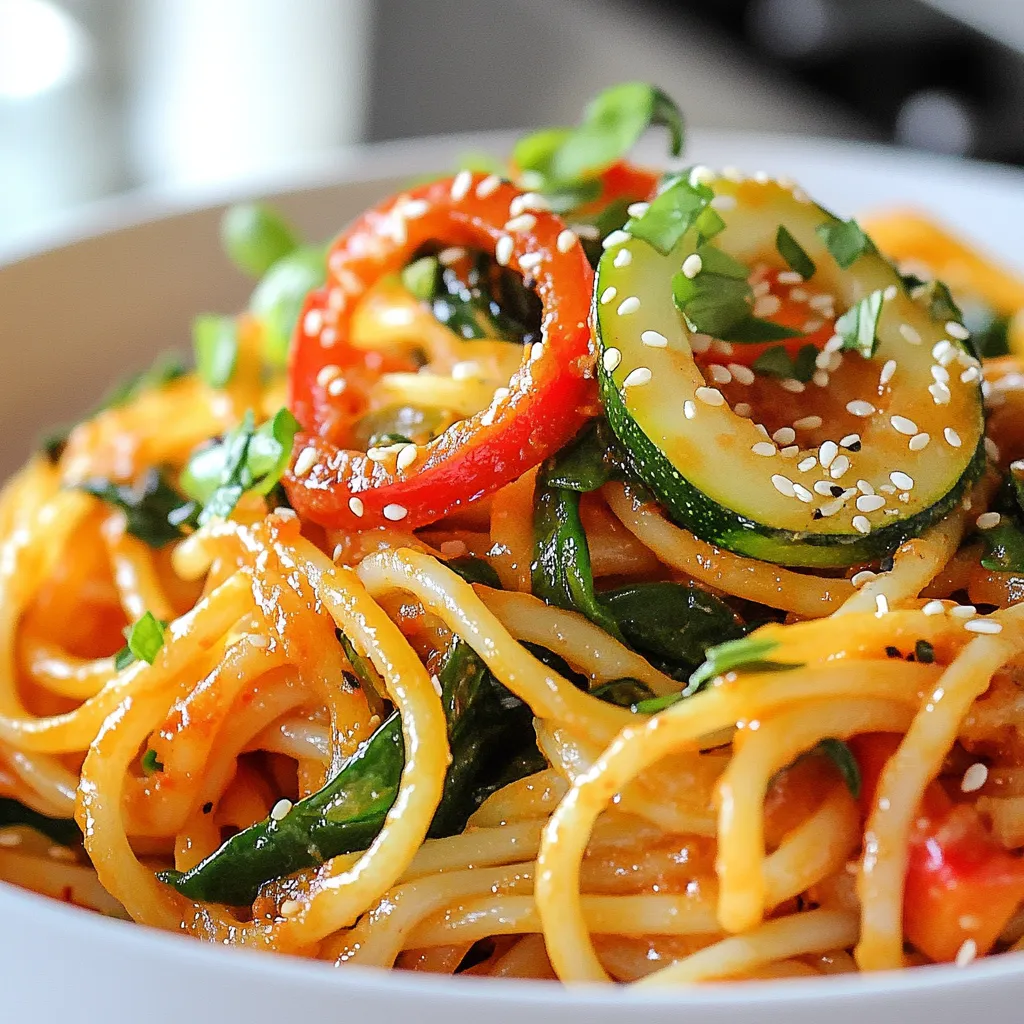
Once you’re happy with the flavor, divide the gochujang pasta into bowls. Garnish with chopped green onions and a sprinkle of sesame seeds for extra flair. Enjoy your flavorful and easy weeknight meal!
Tips & Tricks
How to Perfect the Sauce
To make the sauce shine, mix the gochujang, sesame oil, soy sauce, and honey well. Use a whisk for a smooth blend. If you want a richer taste, add more sesame oil. This will enhance the flavor and give it a nice sheen. The sauce should coat the pasta nicely, so feel free to adjust the amounts to your liking.
Adjusting Spiciness Levels
Gochujang brings heat, but you control it. If you prefer a milder dish, start with less gochujang. You can always add more later. Taste the sauce before mixing it with pasta. If it’s too spicy, mix in some honey or maple syrup to balance the heat. This adds sweetness without losing flavor.
Pasta Cooking Tips
Cooking pasta correctly is key. Always use plenty of salted water to boil your pasta. This adds flavor and helps the pasta cook evenly. Cook it until it’s al dente, which means firm to the bite. Save some pasta water before draining. You may need it to adjust the sauce later, keeping everything creamy and tasty.
Pro Tips
- Use Fresh Ingredients: Fresh vegetables and high-quality gochujang will enhance the overall flavor of your pasta dish.
- Adjust Spice Level: If you prefer a milder dish, start with less gochujang and gradually add more to suit your taste.
- Experiment with Proteins: Consider adding grilled chicken, shrimp, or tofu for additional protein and texture.
- Make it a Meal Prep: This pasta keeps well, so consider making a larger batch for easy lunches throughout the week.
Variations
Adding Protein Options
You can easily add protein to your gochujang pasta. Chicken, shrimp, or tofu works great. For chicken, grill or sauté bite-sized pieces until cooked. For shrimp, cook until they turn pink. If you choose tofu, press it to remove water, then cube and sauté until golden. Add your protein right before combining with the pasta. This step enhances the dish and makes it more filling.
Vegetarian and Vegan Alternatives
To keep this dish vegetarian, skip the meat and add more veggies. Try mushrooms, carrots, or snap peas for extra flavor and crunch. If you want it vegan, use maple syrup instead of honey. You can also substitute soy sauce with tamari to keep it gluten-free. These changes make the dish tasty while fitting your diet.
Gluten-Free Pasta Choices
If you need gluten-free options, use rice noodles or gluten-free pasta. Both choices work well with the gochujang sauce. Just follow the cooking instructions on the package. You can still enjoy the spicy flavor of gochujang pasta without gluten. This flexibility makes it easy to adapt for everyone at your table.
Storage Info
How to Store Leftovers
Store leftover gochujang pasta in an airtight container. Keep it in the fridge. It will stay fresh for up to three days. Make sure the pasta is cool before sealing. This helps prevent moisture buildup.
Reheating Instructions
To reheat, use the microwave or a skillet. If using the microwave, place the pasta in a bowl. Add a splash of water to keep it moist. Heat for about 1-2 minutes. Stir halfway through to heat evenly. If using a skillet, add a little sesame oil over medium heat. Stir until warmed through.
Freezing Options
You can freeze gochujang pasta for longer storage. Place it in a freezer-safe container. Make sure to leave some space for expansion. It can last up to three months in the freezer. When ready to eat, thaw it overnight in the fridge. Reheat as described above.
FAQs
What is Gochujang?
Gochujang is a Korean chili paste. It has a thick texture and a sweet, spicy taste. This paste comes from fermented soybeans, red chili powder, and salt. It adds deep flavor and heat to dishes. Many love it for its unique blend of sweet, spicy, and umami. You can find gochujang in Asian markets or online. It works great in marinades, soups, and sauces.
Can I make this dish ahead of time?
Yes, you can make this dish ahead of time. Cook the pasta and the sauce separately. Store each in the fridge for up to three days. When you are ready to eat, reheat the pasta and sauce. You may need to add a splash of water to keep it moist. Freshen it up with green onions and sesame seeds before serving.
What other dishes can I use Gochujang in?
You can use gochujang in many dishes. It adds flavor to stir-fries, stews, and marinades. Try mixing it into salad dressings for a kick. You can also use it in tacos, burgers, or roasted vegetables. Be creative and add it to your favorite recipes for extra depth and heat!
You’ve learned about the key ingredients and their benefits, especially gochujang. I shared steps to cook pasta, make sauce, and sauté vegetables. The tips help to perfect flavors and adjust spice levels. Adding protein or choosing vegan options makes this dish flexible. Plus, I covered storage and reheating for leftovers.
Gochujang adds a tasty kick. You can enjoy this dish anytime, fresh or stored. Enjoy cookin
Spicy Gochujang Pasta
A delicious and spicy pasta dish featuring gochujang, vegetables, and a hint of sweetness.
Prep Time 10 minutes mins
Cook Time 20 minutes mins
Total Time 30 minutes mins
Course Main Course
Cuisine Korean
Servings 2
Calories 400 kcal
- 8 oz spaghetti or your preferred pasta
- 2 tablespoons gochujang (Korean chili paste)
- 1 tablespoon sesame oil
- 1 tablespoon soy sauce
- 1 tablespoon honey or maple syrup
- 2 cups baby spinach
- 1 whole red bell pepper, sliced into thin strips
- 1 small zucchini, spiralized or sliced
- 3 cloves garlic, minced
- 1 tablespoon ginger, grated
- 2 green onions chopped (for garnish)
- to taste sesame seeds (for garnish)
In a large pot, boil salted water and cook the spaghetti according to package instructions until al dente. Drain and set aside, reserving about 1/2 cup of pasta water.
In a bowl, mix together the gochujang, sesame oil, soy sauce, and honey (or maple syrup) until well combined. Set aside.
In a large skillet, heat a drizzle of sesame oil over medium heat. Add the minced garlic and grated ginger, sautéing for 1 minute until fragrant.
Stir in the bell pepper and zucchini, cooking for about 3-4 minutes until they start to soften. Then, add the baby spinach and cook until wilted.
Add the cooked pasta to the skillet with the vegetables. Pour the gochujang mixture over the pasta, tossing everything together. If the pasta seems dry, gradually add some reserved pasta water to reach your desired consistency.
Taste your pasta and adjust seasoning as needed; you can add more soy sauce, gochujang, or honey based on your preference for heat and sweetness.
Divide the gochujang pasta into serving bowls. Garnish with chopped green onions and a sprinkle of sesame seeds.
Adjust the spice level by adding more or less gochujang.
Keyword gochujang, pasta, quick meal, spicy, vegetarian
WANT TO SAVE THIS RECIPE?